DUCKPIN TUTORIAL - FROM PALM TO POCKET IN ONE NIGHT
How to Bowl Duckpin: A Step-by-Step Tutorial for First-Timers
Ball, stance, delivery, aim, first-game plan: five steps to your first duckpin game - the palm-sized ball, the pendulum roll, and the three-ball frame that keeps every frame alive.
5-step tutorial Palm grip, no holes Short pendulum delivery Pocket + corner-clip aiming EXAMPLE score bands
~12m
Lane Length (published)
60-100
First-Game Band (EXAMPLE)
$45/hr
Lane Rate (published)
1. Why duckpin is the easiest bowling to learn - and the sneakiest to master
Duckpin removes the two things that scare people off bowling: the heavy ball and the long lane. The published primer prices the format at $45 an hour for a reason - it is quick to learn, quick to play, and social by design. The ball is palm-sized with no finger holes, the pins are squat and stubborn, and three balls per frame mean your first game never stalls in long silences of missing.
But easier to learn does not mean trivial to master. The pins are heavier than they look for their height, so clean contact matters more than power, and the shorter lane punishes rushed deliveries. This tutorial walks your first game in five steps - ball, stance, delivery, aim, and a frame-by-frame plan - so you arrive looking like you have done this before.
The deal duckpin offers: less power, more touch. The smallest ball in bowling rewards the smoothest delivery - this guide gets you there in one night.
2. Step one and two: pick the ball, set the stance
Ball: take the lightest that still rolls with intent - in duckpin there is usually one size, palm it flat across your palm and fingers (no holes), and hold it at your side supported from below. A relaxed wrist is the whole secret; the published how-to-play guide is blunt that duckpin is a rolling game, not a throwing game. If you can hold the ball like a small melon without squeezing, you have it right.
Stance: stand at the foul line with feet together, ball held at waist height in front of you, eyes on your target - the one-three pocket between the head pin and its neighbor. Unlike tenpin there is no four-step approach to choreograph; duckpin is bowled from a short, standing delivery, which is why it suits bars and boutique lanes where a full runway would never fit. published space guides put the whole lane at about twelve meters; you are bowling from the front of it, not dancing down it.
EXAMPLE first-night score expectations (first-time players)
Game 1 - learning the roll
75
Game 2 - pace control lands
90
Game 3 - pocket contact clicks
105
EXAMPLE expectation bands from published beginner guidance: 60-100 is a normal first game, 100+ is good, 125+ excellent for regulars.
3. Step three and four: the delivery and the aim
Delivery: a short pendulum. Let the ball swing back from the waist in one smooth arc - no wind-up, no side arm - and release it onto the carpet as the swing passes your leg, wrist flat, thumb pointing at your target. The ball should land softly and roll, not thump. Count one-two in your head: back, and through. The published gameplay engineering guide describes the ideal duckpin delivery as a floor-level roll; if you hear the ball, you threw it.
Aim: start at the pocket, then read the pins. Duckpins are short and heavy for their height - they fall on clean, direct contact rather than domino chains, so straightness beats speed. EXAMPLE adjustment plan: if ball one dies into the pocket and pins stay standing, aim a touch more off-center so a corner clip tips the head pin sideways into its neighbors; if you miss wide, come back to the pocket and slow down. Three balls per frame gives you that feedback loop inside every single frame - use ball one to test, ball two to correct, ball three to finish.
| Ball in frame |
Job |
EXAMPLE mindset |
| Ball one |
Test the pocket, gather the read |
Data collection - pace smooth |
| Ball two |
Correct the line, clear the stubborn pins |
Adjust one variable only |
| Ball three |
Finish the frame or set up the next |
Nothing to lose - roll free |
4. Step five: the first-game plan, and where duckpin takes you
Play the first game for smooth deliveries, not strikes - the score takes care of itself once the pendulum is yours. Expect 60-100 (EXAMPLE band, published-consistent), and expect to beat it immediately in game two: pace control arrives fast, pocket contact arrives faster, and the three-ball format keeps the scorecard moving every frame. The published complete guide covers the scoring quirks (the three-ball frames, the strike-with-a-twist rules) that you will start noticing around game two.
Where to go next: the published how-to-play guide adds the scoring layer, the complete guide carries rules and venue context, and the gameplay engineering piece shows the party and challenge modes venues run on duckpin lanes. Curious why venues love this format - or want one in your own bar? The what-is-duckpin primer covers the $45-an-hour lane math, the system comparison prices duckpin against ten-pin and string lanes, and the Duckpin Bowling System page is the hardware behind every lane in this guide - and the same room grows into the two-lane string setup or the full-size 10-pin alley when the group wants a second format. Venues planning a floor can start from the free 3D layout service.
Player takeaway: palm the ball, pendulum the swing, pocket the aim, and let three balls per frame teach you. Duckpin is bowling with the fear removed - and the fun doubled.
5. Frequently Asked Questions (FAQ)
How is duckpin different from regular bowling when you bowl it?
Three things change under your hand: the ball is smaller (no finger holes, palm-sized), the pins are shorter and squatter, and the lane is shorter - so the throw is a controlled roll rather than a swing, and the scoring is three balls per frame instead of two. The published comparison guide walks the full duckpin-vs-10-pin-vs-string breakdown; this tutorial stays on the physical side - what you actually do at the line.
How do you hold a duckpin ball?
Palm the ball: it rests flat across your palm and fingers, no finger holes to search for. Hold it at your side with a relaxed wrist, ball supported from below - think carrying a small melon, not gripping a tenpin ball. The light weight (published guides put it around a third of a tenpin ball) means control comes from a smooth delivery, not muscle.
Where do I aim on a duckpin lane?
EXAMPLE starting line: aim your roll at the one-three pocket (between the head pin and its neighbor) just like tenpin, but expect less pin action - duckpins are stubby and heavy for their size, so they topple on clean contact rather than chain reactions. Many first-timers score better aiming a straight ball slightly off-center and letting a corner clip start the fall. Your first frame is data; adjust the second.
How many balls do you get per frame in duckpin?
Three. Knock everything down on ball one and the frame ends; otherwise you keep rolling at whatever pins remain until ball three. A spare-like second-ball clear still sets up a strong third, and the published scoring guide shows why three balls is where duckpin gets its reputation: games stay close, and every frame has one more chance than tenpin.
What is a good first-game score in duckpin?
EXAMPLE expectations: first-time players commonly land somewhere between 60 and 100, and anything over 100 on your first night is a genuinely good game - the published complete guide calls a 125-plus outing excellent even for regulars. The small balls and stout pins humble everyone initially; the curve is fast, and most players add ten to twenty points by their second game.
Can kids play duckpin bowling?
Duckpin is the family-friendly bowling format - the lighter ball and shorter lane make it the easiest bowling to learn at any age. Kids roll from the same line adults do, and the three-ball format keeps every frame engaging even when the pins refuse to fall. The published venue guides describe duckpin lanes as the anchor of family entertainment zones for exactly this reason.
6. Featured NextPlay Active Gaming Equipment
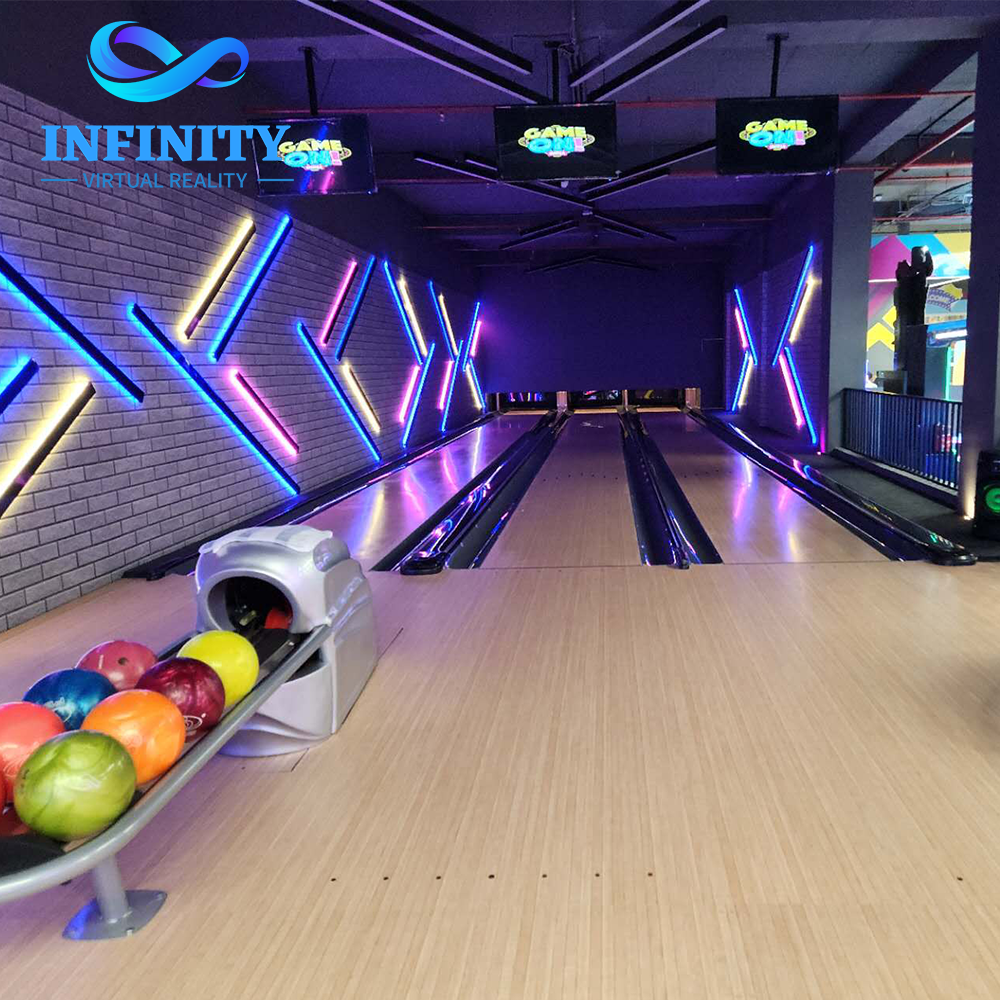
The lane behind the game
Duckpin Bowling System
Space-saving lanes built for bars and boutique venues - the format this tutorial teaches.
View Details ›
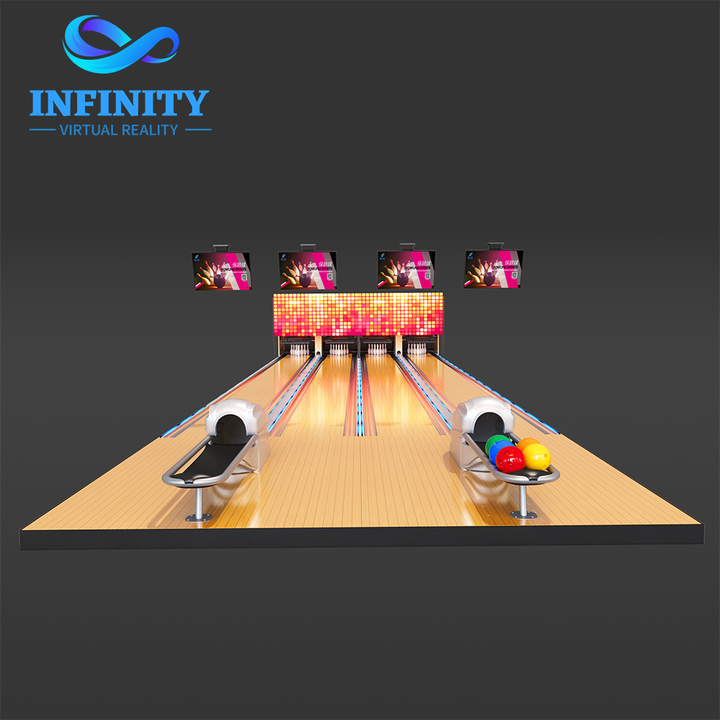
The compact pair
2-Lane String Bowling Equipment
Turnkey two-lane string setup that shares the night with duckpin frames.
View Details ›
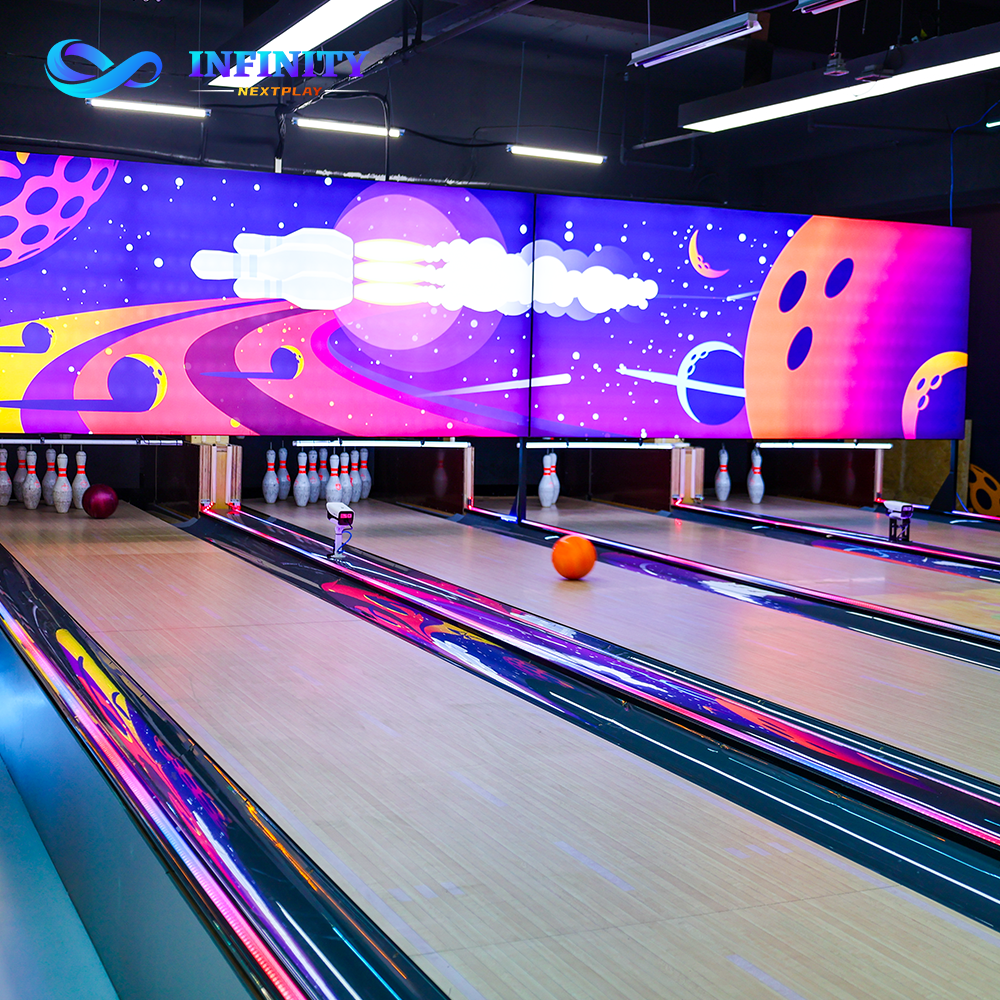
The full-size option
Standard 10-Pin Bowling Alley
The 26m international lane for sports centers ready for the classic format.
View Details ›
Roll on a Real Duckpin Lane
Planning a venue instead of a visit? The free 3D layout design tests how duckpin lanes fit your floor before money moves.

