DUCKPIN EXPERIENCE - ONE NIGHT, FIVE BEGINNERS, ZERO EXCUSES
What a Night of Duckpin Bowling Actually Feels Like: A First-Timer Story
A composite first-timer night on duckpin lanes: four minutes from shoes to rolling, game one humbling everyone equally, game two the pendulum clicking - and a standing Friday plan by ten-thirty.
Zero-equipment start 3-ball frames keep it alive Close scoreboards EXAMPLE 40-50 min games Group-night format
~4 min
Shoes-to-Rolling (EXAMPLE)
60-100
First-Game Band (EXAMPLE)
40-50 min
Foursome Game (EXAMPLE)
$45/hr
Lane Rate (published)
1. 8:05 PM - the invitation nobody had to think about
The invite said "duckpin" and nobody in the group knew what that meant, which was exactly the point - five people, zero bowlers, one promise that nobody would be the worst. The venue was a bar first and a bowling lane second: two lanes tucked along the wall under warm light, the pins gleaming behind a short carpet that looked, frankly, manageable. The published format guide prices this scene at $45 an hour a lane; what it feels like is a table with a game attached.
First surprise inside thirty seconds: the balls. Palm-sized, hole-less, light enough to hold in one hand at your side like a small melon. The rental shoes fit. There was no equipment ceremony, no sizing ritual, no eight-pound versus fourteen-pound debate - you pick up a ball and you are officially a duckpin bowler. The friction between "we should do this sometime" and "we are doing this" turned out to be about four minutes, shoes included.
First-timer discovery #1: duckpin removes every barrier except the throw itself. No heavy ball, no long approach, no experience required - the format starts where your excuses end.
2. 8:20 PM - game one humbles everyone equally
The first frames taught us what the published guides mean by "stubborn pins." The rolls felt good - smooth, on line, satisfyingly quiet as the ball ran the carpet - and the pins wobbled, nodded, and stayed standing. Our group combined first-game total would not embarrass anyone, mostly because nobody knew what embarrassing was yet: EXAMPLE band 60-100 per player, and we were all living in it. What the scoreboard could not show was the laughter rate, which was total.
Somewhere in the fourth frame the first catchphrase was born ("it looked better than it scored"), which is the duckpin experience in six words. The three-ball format kept every frame alive - ball one to test, ball two to adjust, ball three with nothing to lose. Nobody waited long. Nobody dominated. The scoreboard stayed close because everyone was new, and close scoreboards are where group nights live.
EXAMPLE first-night group mood (share of the experience)
- Frames where everyone bowled within a minute 1
- Frames with a near-miss story 1
- Frames someone actually swept 1
EXAMPLE texture of a first duckpin night: the three-ball format keeps everyone in the game and the near-misses become the group lore.
3. 9:10 PM - game two, and the roll shows up
Somewhere between games the pendulum clicked. Not for everyone at once - for one person, then another, each in a different frame. The delivery stopped being a throw and became a roll: short backswing, flat wrist, the quiet two-beat that the published tutorial material teaches. Pins started leaving in twos and threes. One corner-clip on the head pin sent the whole rack sideways in a way that felt, honestly, earned - and the lane let out the specific cheer that venues with duckpin lanes hear every single night.
By game three the group had split into two camps: the "I figured out the pocket" camp and the "I am only bowling corner clips now" camp, and both were right. Scores climbed into the EXAMPLE 90-110 band, which the published beginner guidance calls a genuinely good second night. But the real measurement was the clock: we had arrived at eight, and the "one quick game" promise was now three games deep with a fourth pending a vote. The lane did not care. The lane had all night.
| Night beat |
What happened |
Why duckpin made it easy |
| Arrival |
Shoes to first roll in about four minutes |
No finger holes, one ball size, short lane |
| Game one |
Humbling pins, total laughter, 60-100 band |
Three balls per frame - nobody stalls |
| Game two |
The pendulum clicks for one player, then another |
Fast learning curve, honest pace |
| Game three |
Two camps, close scores, standing Friday plan |
Bar setting: the night is bigger than the game |
4. 10:30 PM - what the night actually leaves you with
Here is the honest accounting of a first duckpin night: everyone bowled, nobody sat out, the worst player and the best player finished within a spares-count of each other, and the group left with three new catchphrases and a standing next-Friday plan. The published venue economics describe duckpin as a repeat-visit format - the $45-an-hour lane that fills weeknights - and the player-side version of that statistic is simple: nobody needed to be talked into a rematch.
Why it works, in one look: the game is short (EXAMPLE 40-50 minutes for a foursome), the equipment is zero-friction, the learning curve is fast enough that game two already feels different, and the format lives in a bar - so the night is bigger than the game. The published guides cover the rest: the complete guide for rules and scoring, the how-to-play piece for technique, the party-mode engineering for the challenge formats venues run, and the venue primer for the $45 lane math. Want the tutorial version of this story? The sibling piece how lanes fit twelve meters is a good start - or just bring the group and let the first frame teach you. Operators reading this: the Duckpin Bowling System page and the free 3D layout service are where the night starts on your floor - and the same plan carries the two-lane string setup or the full-size 10-pin alley when the group wants a second format.
First-timer takeaway: duckpin is the rare format where "we are all beginners" is the feature. The pins are stubborn, the balls are light, and nobody - literally nobody - is the worst player in the group.
5. Frequently Asked Questions (FAQ)
Is duckpin bowling fun for someone who has never bowled?
That is the format's whole appeal - it is built for people who have never bowled. The ball is palm-sized and light, the lane is short, and three balls per frame mean your first game is a series of quick retries instead of long walks of shame. The published venue guides describe duckpin lanes as the anchor of bars and boutique venues because nobody needs prior experience to join the group.
How long does a duckpin game take?
EXAMPLE pace: a four-person group plays a full game in about 40-50 minutes, faster than tenpin because deliveries are quick and the three-ball rule keeps frames moving. The published turnover material shows venues cycling groups comfortably on a single lane all evening - which is exactly what it feels like from the player side: never stuck, never rushed.
Is duckpin bowling hard?
It is humbling for one game, then friendly. The small ball is easy to control but the squat pins refuse dramatic chain reactions, so first games reward patience over power. Most first-timers land 60-100 (EXAMPLE band), add ten to twenty points by game two, and by game three everyone in the group has a story about the frame they almost swept. The difficulty curve is the entertainment.
What makes duckpin different at a bar compared to a bowling alley?
Scale and vibe. Duckpin lives in bars, lounges and boutique venues - the published format guide prices it at $45 an hour precisely because two lanes fit where a full tenpin center would not. You order drinks to the lane, games run short, and the night bends around the game instead of the game consuming the night. The published bar-case guides describe two-lane installs turning weeknights into event nights.
Do you need your own shoes or equipment for duckpin?
No. Venues supply the palm-sized balls and standard rental shoes; there are no finger holes to size and no personal ball to break in. That zero-equipment friction is a bigger part of the experience than players expect - you can decide to play duckpin on the way home from work and be rolling ten minutes later.
Is duckpin good for groups and parties?
It is the group format - three balls per frame keep everyone active, games run short enough for everyone to chat between frames, and the published party-mode guides describe venues running social competition and challenge formats directly on duckpin lanes. The first-timer story below is really a group story: nobody sits out, nobody is the designated bad player, and the scoreboard stays honest because everyone is new.
6. Featured NextPlay Active Gaming Equipment
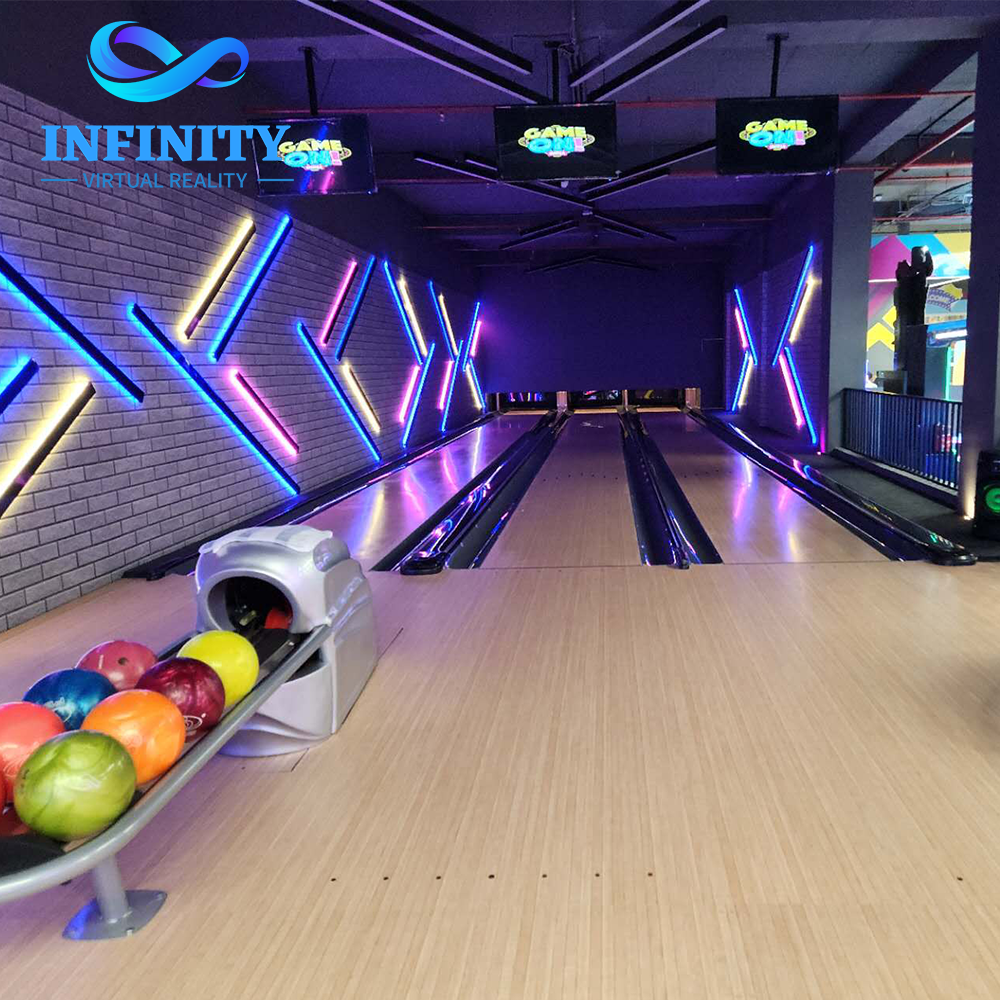
Where the night happens
Duckpin Bowling System
The bar-scale lane format behind this whole story - short, social, zero-friction.
View Details ›
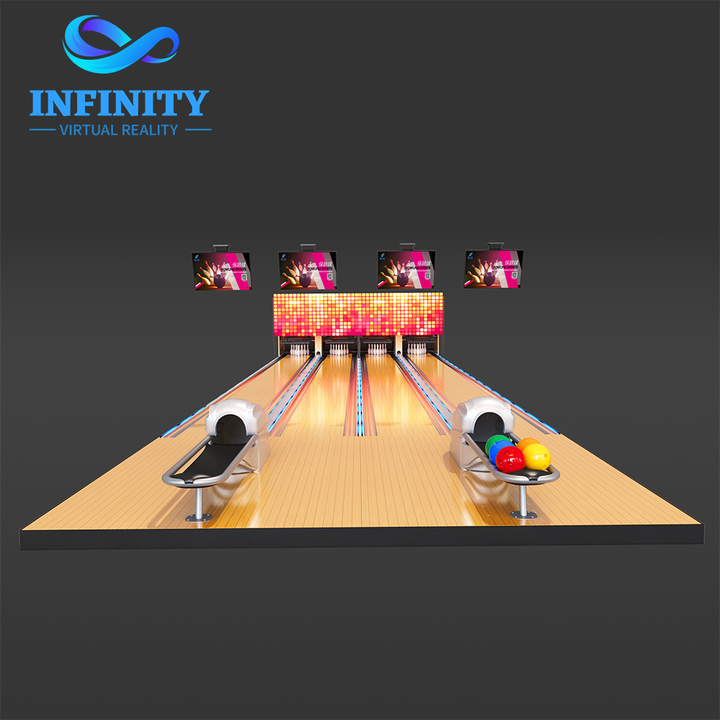
The partner lanes
2-Lane String Bowling Equipment
Turnkey string lanes that pair with duckpin for mixed-format group nights.
View Details ›
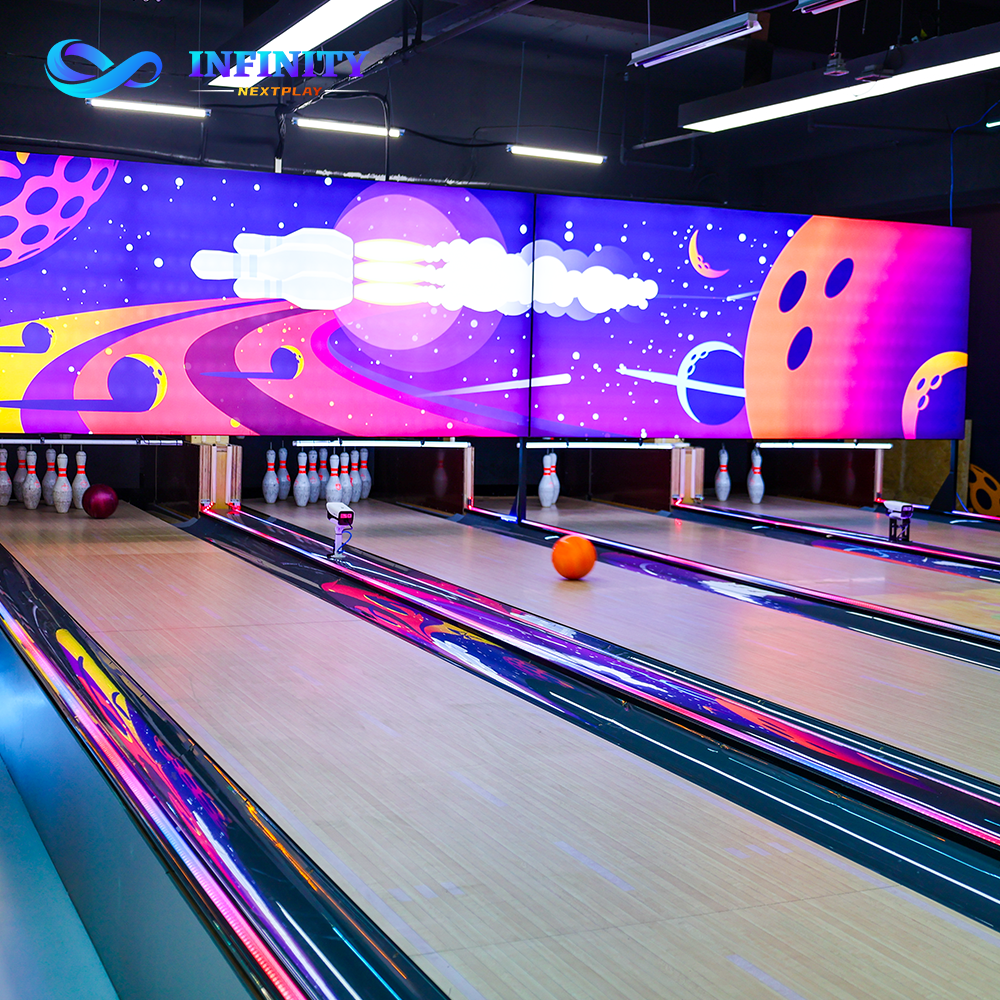
The graduation lane
Standard 10-Pin Bowling Alley
The 26m classic for players this story turns into regular bowlers.
View Details ›
Build the Night on Your Floor
Operators: the free 3D layout design tests where two duckpin lanes turn your slow nights into this story.

