DUCKPIN LESSONS - TEN FRAMES, FIVE HONEST TAKEAWAYS
What Duckpin Bowling Taught Me After Ten Frames: Lessons from the Lane
Pace beats power, pins have personalities, three balls are a coaching system, patience scores, and the group is the reason: five lessons from a first ten-frame run.
Pace over power Read the pins One change per ball Press nothing EXAMPLE 10-frame trajectory
3
Balls = 1 Feedback Loop
+15
EXAMPLE Points from Pace Alone
1
Variable to Change Per Frame
10
Frames to Learn It All
1. Ten frames is enough to learn the real game
Anyone can throw a ball down a lane. Ten frames of duckpin teach you the actual game - the one where pace matters more than power, where the pins have personalities, and where the scoreboard only reflects the lessons you actually absorbed. This piece is the honest list of what a first ten-frame run taught us: five lessons, each earned the slow way so you can have it the fast way.
For the mechanics, the sibling tutorial covers grip, stance and delivery step by step. This one is about what the lane teaches after you know the steps - the adjustments, the mindset, and the small realizations that turned a wobbling first game into a genuinely competitive second one.
The meta-lesson first: duckpin gives you three chances per frame, which means it is a feedback machine. The players who improve fastest are the ones who treat every ball as information.
2. Lesson one: pace is the whole game
The first three frames were spent throwing harder. It felt logical - pins not falling, so push more - and it was exactly wrong. The palm-sized ball does not need force; it needs a smooth, floor-level roll, and adding speed just made the contact sloppier and the pins fall later, weirder, and less often. The frames turned when the delivery shortened: small backswing, flat wrist, ball landing soft and rolling hard.
The published how-to guide says the quiet part out loud: duckpin is a rolling game. Once pace came down to "firm, not fast," pocket contact started sticking - and the pins, which had spent three frames ignoring us, began to fall in honest twos and threes. Scoreboard moved about fifteen points between frame three and frame seven (EXAMPLE run), and not one point of it came from trying harder.
EXAMPLE first ten frames: score by lesson (cumulative pace of improvement)
Frames 1-3: power phase
18
Frames 4-6: pace corrected
34
Frames 7-10: line + touch
51
EXAMPLE trajectory from one first run: the score only moved after the delivery stopped being a throw.
3. Lesson two: the pins are individuals - read them
Tenpin training does not apply here, and that is the fun of it. Duckpin pins are short, stout and heavier than they look, and they do not chain-react: clean contact knocks them down, glancing contact annoys them. After ten frames we could name them - the corner pins that only fall to a direct hit, the head pin that prefers being tipped sideways into its neighbors, the stubborn back-row pair that survives everything except a pocket-perfect frame.
The published comparison guide explains why: the geometry and weight distribution are different from tenpin by design, which is exactly why duckpin feels like its own game instead of miniature bowling. The practical lesson: stop bowling at pins as a group and start bowling at the pin that unlocks the others. On our lanes that was usually the head pin - tipped sideways, not hit square.
| Frame situation |
What the lane taught |
The adjustment |
| Full rack, pocket hit, pins stand |
Power is not the answer |
Slow down, aim pure pocket |
| Corner pins keep surviving |
They only fall to direct hits |
Aim a touch wider, clip the corner |
| Head pin wobbles but stands |
It wants to be tipped, not pushed |
Corner-clip entry, sideways fall |
| Two stubborn back pins remain |
Anger bowling is a trap |
Short honest roll at the near pin |
4. Lesson three, four and five: feedback, patience, and the point of it all
Lesson three: three balls per frame is a coaching system. Ball one tests, ball two corrects exactly one thing, ball three commits - and over ten frames that loop teaches faster than an afternoon of tenpin. The frames where we overcorrected (changed pace and line at once) got worse; the frames where we changed one variable got better immediately. That discipline - one adjustment per attempt - is the transferable skill, and it works in every bowling format and most other games.
Lesson four: patience scores more than heroics. The frames where someone tried to bowl the perfect strike usually ended in the classic duckpin humiliation - nine pins down, one smug survivor standing alone. The frames bowled plainly - honest pace, simple aim, take what the lane gives - filled the scorecard quietly. The published scoring guide frames it exactly: duckpin games are lost on the frames you press, not the frames you celebrate.
Lesson five: the game is the excuse, the group is the reason. Ten frames in, nobody could recall the scores precisely, but everyone could recall the frame where the head pin finally fell sideways, the corner clip that started as an accident and became a strategy, and the standing argument about whether the third lane plays faster than the first. That is what the published venue guides mean when they call duckpin a repeat-visit format - the published monthly numbers show lanes earning their floor on return trips, and the player-side version is a group that starts planning the next visit before the shoes come off.
Depth from the family: the how-to-play guide and the complete guide carry the rules layer under these lessons, the party-mode engineering shows what venues build on top, and the system comparison prices duckpin against tenpin and string lanes for operators who caught the bug. Venues reading this as a signal: the format primer and the Duckpin Bowling System page are the start - with the free 3D layout service to test the floor, and room to add the two-lane string setup or the full-size 10-pin alley on the same scoring stack.
The ten-frame summary: roll smooth, change one thing, respect the pins, press nothing, and bring people. The lessons that fall are the ones the lane teaches - and it teaches fast.
5. Frequently Asked Questions (FAQ)
What is the biggest lesson from a first duckpin game?
Pace beats power - every time. The palm-sized ball does not need muscle, and the squat pins punish sloppy speed more than soft speed. Once the delivery becomes a smooth pendulum, the scorecard starts moving; before that, it is just energy with a score attached. The published guides reach the same conclusion from the venue side: duckpin rewards the smooth roll over the strong arm.
How do you get better at duckpin quickly?
Change one variable per frame. After ten frames the pattern was obvious: the frames where we adjusted pace OR line (never both) improved immediately, and the frames where we overcorrected got worse. Three balls per frame is a built-in feedback loop - use ball one to test, ball two to correct one thing, ball three to commit. The published scoring guide calls this the three-ball advantage; on the lane it feels like fast-forwarded practice.
Why are duckpin pins so hard to knock down?
They are short, heavy for their height, and set close - so they absorb glancing hits and fall to clean, direct contact. The published comparison material is blunt: duckpin pins do not chain-react like tenpin racks. The lesson that follows: aim for crisp pocket contact, not hope-and-power, and stop expecting dominoes. A corner clip that tips the head pin sideways into its neighbors is the shot the lane pays for.
Does duckpin bowling actually help your tenpin game?
More than expected. The straight, honest delivery duckpin demands transfers: no hook to hide behind, no heavy ball to muscle - just line and pace. Players who struggle with tenpin consistency often find their release steadier after a duckpin run, and the published comparison guide frames the two formats as complements in venues rather than rivals. The family visit pattern - duckpin with the group, tenpin with the league - is common in published venue cases.
What should beginners focus on in their first ten frames?
Finishing near the hole on the first ball. EXAMPLE rule that changed our games: treat ball one as a pace drill, not a strike attempt - get the ball rolling honestly and finish close, and spares start happening without heroics. The published beginner bands (60-100 first game) assume exactly this: three-putt energy spent on learning, not celebrating.
Is duckpin worth playing regularly?
The lane argues yes. Short games, quick learning curve, close scores between friends, and the format lives in social venues - the published revenue guides show duckpin lanes earning their floor space week after week because groups keep coming back. Ten frames in, the strongest pull was not the score; it was the immediate, obvious sense that next game would be better.
6. Featured NextPlay Active Gaming Equipment
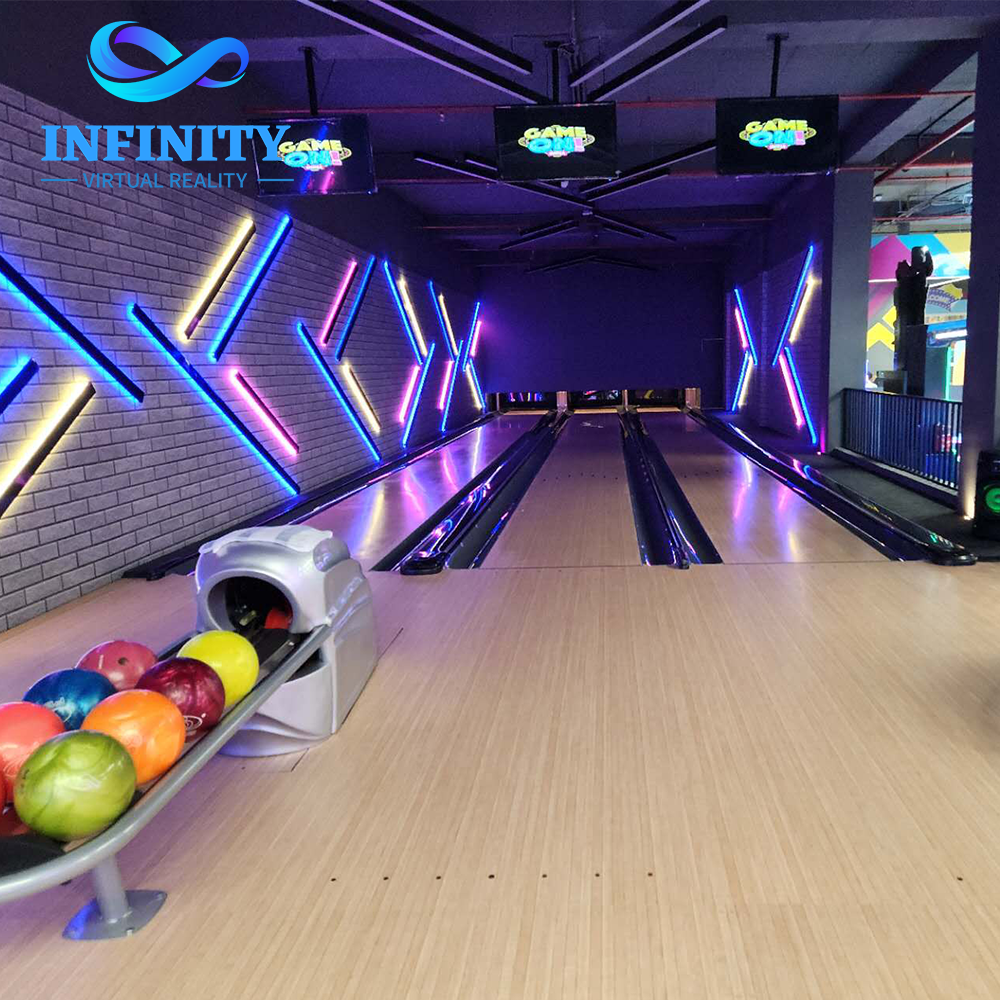
The teacher
Duckpin Bowling System
The lane format behind every lesson in this piece - compact, social, endlessly replayable.
View Details ›
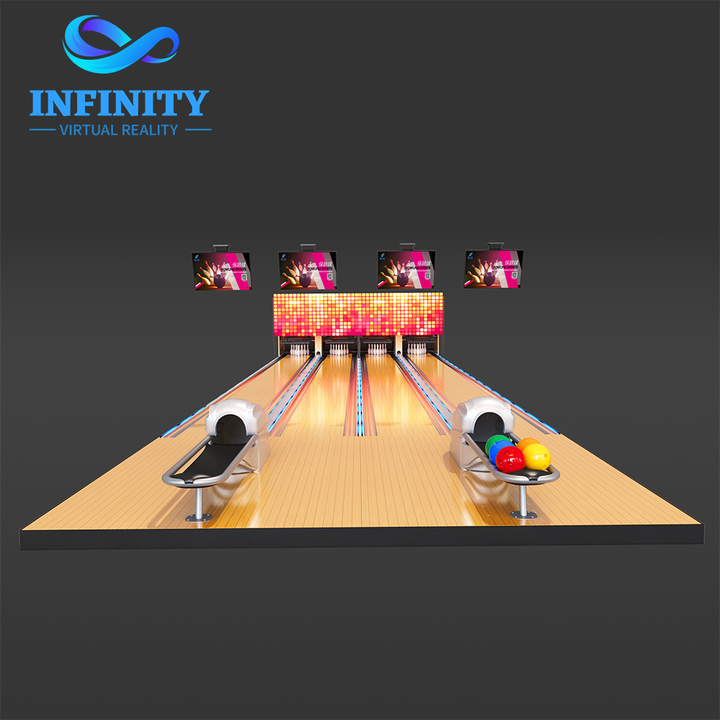
The companion
2-Lane String Bowling Equipment
Turnkey string lanes that keep mixed groups rolling on the same floor.
View Details ›

The next challenge
Standard 10-Pin Bowling Alley
The full 26m format for players the duckpin lessons have hooked.
View Details ›
Put Lessons on Your Floor
Operators: the free 3D layout design plans where duckpin lanes turn first-timers into Friday regulars.

