NEXTPLAY ACTIVE ENTERTAINMENT
How Much Profit Does a Dart Machine Make a Bar? The Coin-Game Math Behind the Corner Board
The profit math of a dart machine in a bar: why the corner board earns more per square meter than the games that look bigger, the coin-game revenue stack from the per-game fee to the online play credit, the cost side from the machine price to the dart and flight consumption, the utilization benchmarks that separate the earning machine from the furniture, the drink attach that doubles what the coin box sees, the league economics that pre-pay the slow quarter and the payback timeline that the single-machine buyer can expect.
1 m2 Footprint $300-500/Month Net 14-20 Mo Payback +$6 per Player Drink
+$6
Drink Spend per Player
1. Why the Corner Board Earns More per Square Meter Than It Looks
The dart machine earns more per square meter than it looks because the machine takes about one square meter of floor and the games that look bigger take ten. The pool table occupies 12 square meters with the cue clearance and earns the hourly table fee, the arcade racing cabinet takes 3 to 4 square meters and earns the per-play fee, and the dart machine takes one corner meter and earns the per-game fee from the same density of players that fill the table. The revenue per square meter comparison puts the board at the top of the bar machine list, and the top spot is what makes the corner the most valuable rental the bar gives away for free today.
The machine also earns through the dead hours: the two players who wait for the table play the board, the group that books the lane plays the board between frames and the regular who comes alone plays the board every visit. The pool table earns only when the table is free, the dart board earns while the table is busy, and the bar that runs both collects the game spend from the customers that the table alone would leave standing.
The corner placement does the rest: the board sits where the queue forms, the waiters pass the board on every table run and the sound of the hit pulls the next player from the bar stool. The machine that looks like the furniture is the machine that collects all night, and the collection is what the coin math counts.
2. The Revenue Stack: Coin Fee, Card Credit and Online Play
The revenue stack of the electronic dart machine runs on three layers: the coin fee, the card credit and the online play credit. The coin fee is the base layer: the standard 50-cents-per-game charge on the 301 and cricket modes runs 20 to 30 games per machine per weekday and 60 to 90 on the weekend nights, and the base layer lands near 300 to 400 dollars per month on the average bar machine. The fee is small enough that nobody counts the games and frequent enough that the count becomes money by the month end.
The card credit is the second layer: the machine that reads the venue cashless card removes the coin emptying, lifts the average play by 15 to 20% because the card player does not count the credits and feeds the same wallet that the bar counter recharges. The card machine returns the play data too, and the play data is what the operator uses to set the happy-hour credit bonus that fills the dead hours.
The online play credit is the third layer: the connected machine sells the ranked online matches, the global ladder entry and the tournament modes at the premium credit, and the connected play earns 2 to 3 times the per-game rate of the local mode. The online layer runs on the machines built for it: the connectivity, the automatic scoring and the global player base are the features that separate the online-ready cabinet from the offline board, and the premium layer is the reason the connected machine costs more and earns more.
3. The Cost Side: Machine Price, Darts and the Quiet Bills
The cost side of the dart machine is the reason the payback math works: the commercial electronic cabinet lands between 2,000 and 5,000 dollars delivered, the install takes the corner outlet and one hour, and the machine carries no staffing because the coin box and the card system collect by themselves. The single purchase is the whole capital story, and the capital story that fits inside the month-one profit pool is the story the bar owner believes.
The consumables run quiet: the house darts replace at 20 to 40 dollars per set every quarter, the flights and shafts consume at 10 to 15 dollars per month on the busy machine and the sisal or plastic segment board refurbishes at 100 to 200 dollars per year depending on the volume. The segment wear is the real maintenance line: the board that hosts 60 games a night segments faster than the board that hosts 20, and the rotate-the-head habit stretches the segment life measurably.
The quiet bills finish the list: the corner lighting adds a few dollars to the power bill, the online connection rides the venue wifi and the software updates arrive free on the connected models. The total operating cost stays under 15% of the machine revenue, and the thin cost side is what the net-per-month number is made of.
4. The Utilization Benchmarks: Earning Machine vs Furniture
The utilization benchmark separates the earning machine from the furniture: the machine that runs 20 games a night pays the corner rent, the machine that runs 60 games a night pays the whole bar a marketing salary and the machine that runs 8 games a night is the furniture that the owner forgot to move. The benchmark to watch is the games-per-open-hour: the healthy bar machine runs 0.5 to 1.5 games per open hour on the weekday and 2 to 4 on the weekend nights, and the count comes free from the machine menu on the electronic models.
The fix for the slow machine is the placement and the prompt: the machine moved from the back corridor to the corner beside the bar doubles its games in a month, the lit board frame that reads as the bar decoration pulls the passers-by and the chalkboard that lists the nightly high score invites the challenge. The operator who measures the games and moves the machine once collects the upgrade forever, and the collection is the cheapest revenue improvement the bar can buy.
The multi-machine rule scales the count: the second machine earns 70 to 80% of the first when the placement splits the room, the third earns less unless the league feeds it, and the bar that reads the count buys the second machine only after the first holds the benchmark for a full quarter. The count-first rule keeps the fleet lean and the fleet lean keeps the payback per machine honest.
5. The Drink Attach: What the Coin Box Never Sees
The drink attach is the half of the profit that the coin box never sees: the dart player stays 40 to 60 minutes longer than the non-player, the longer stay adds one to two more drinks per visit and the added drinks at the 6-to-8-dollar bar margin land near 6 dollars of extra margin per player per visit. The machine that serves 200 player-visits per month generates the 1,200 dollars of drink margin that the coin box never counts, and the invisible line is twice the visible one.
The venue that links the play to the pour captures the attach on purpose: the game-and-drink bundle sells the three games plus the house pint at the package price, the winner-drinks-free house rule that the loser pays turns the match into the round and the happy-hour credit bonus that doubles the games during the slow pour keeps the players at the bar through the empty hours. The links convert the play time into the pour time, and the pour time is what the bar exists to sell.
The food attach follows the drink attach: the group that plays the board orders the bar snack between the games, the snack order that the table alone never triggers appears on the dart-night checks and the kitchen that closes early on the quiet nights stays open on the league nights. The attach stack of drinks plus food plus games is what makes the one-square-meter corner out-earn the ten-square-meter table on the busy nights.
6. The League Economics: The Pre-Paid Slow Quarter
The league economics pre-pay the slow quarter: the 8-week darts league signs the teams at 20 to 40 dollars per player per season, the 8-team league collects 1,300 to 2,600 dollars before the first throw and the season runs on the weeknights that the walk-in crowd skips. The league fee is the subscription revenue of the bar world, the subscription lands in the quarter that needs it and the players who subscribe buy the drinks on every match night because the match night is the reason they came.
The league builds the ladder to the bigger nights: the weekly league feeds the monthly open tournament, the open tournament charges the entry fee and the sponsor banner and the seasonal final books the room at the party-package rate. The ladder gives the regulars the season arc, the season arc gives the bar the calendar and the calendar that the league fills is the calendar that the slow quarter needs.
The league also feeds the online layer: the teams that practice between the match nights play the online ranked modes, the practice play lifts the machine count on the non-league nights and the leaderboard that carries the league standings becomes the bar decoration that recruits the next season teams. The league is the flywheel: the league fills the calendar, the calendar fills the machine, the machine fills the drinks and the drinks fund the next season.
7. The Payback Timeline: What the Single-Machine Buyer Can Expect
The payback timeline of the single machine runs 14 to 20 months on the honest numbers: the machine at 3,000 dollars delivered earns the 300-to-500-dollar monthly net after the consumables and the power, the net accumulates to the machine price inside 14 to 20 months and the machine that runs the league season and the card system finishes at the early end. The timeline that the pool table buyer reads is longer, and the difference is the reason the board is the first machine the bar buys.
The payback accelerates with the three levers: the card system that lifts the play 15 to 20%, the placement move that doubles the slow machine and the league season that pre-pays the quarter. The bar that pulls one lever finishes the payback near the one-year line, the bar that pulls all three treats the machine as the best yield the floor hosts, and the yield story is what convinces the second machine.
The after-payback years are the quiet profit: the machine that earned its price back runs at the 90-plus-percent margin because the capital is recovered and the consumables stay thin, the reserve fund that the operator builds from the monthly net covers the segment refurbish and the eventual board replacement, and the machine that replaced itself once becomes the annuity that the corner pays for years.
8. The Buying Checklist for the One-Machine Bar
The buying checklist for the one-machine bar starts with the corner: one square meter of floor, 2.4 meters of throwing clearance, the power outlet and the ambient light that does not wash the segments. The checklist continues with the machine: the automatic scoring that ends the score disputes, the online connectivity that sells the premium modes, the cashless card reader that lifts the average play and the cabinet build that survives the bar bump and the spilled pint.
The commercial items close the list: the delivery and install terms that put the machine on the corner outlet the same week, the warranty that covers the scoring sensors and the segment head, the house darts sets at four per machine and the spare flights and shafts box that lives behind the bar. The venue that writes the checklist before the quote buys the machine that earns instead of the machine that ships.
The closing rule: the dart machine is the highest-yield square meter the bar can rent to itself, and the coin math that proves it needs the machine built for the bar floor. Anchor the corner on the machines built for the trade: the Electronic Dart Machine X7 for the online league play that sells the premium credits, the Arcade Dart Machine X3 for the dual-screen sports bar layout and the Coin-Operated Dart Machine X5 for the card-ready cashless corner, and let the coin math pick the model.
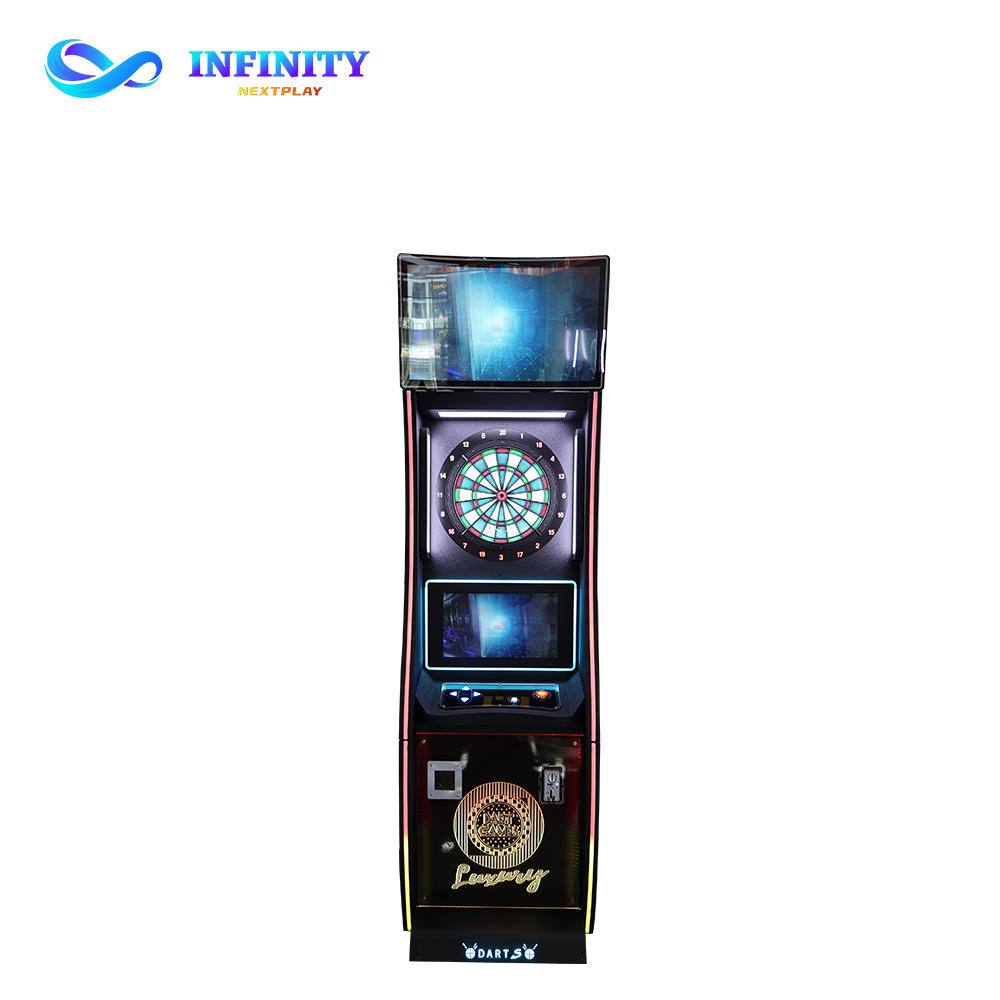
THE ONLINE LEAGUE ENGINE
Electronic Dart Machine X7
The connected dart machine whose global online play sells the premium credits, the cabinet that runs the league ladder and turns the weekly league into the pre-paid season.
View Details ›
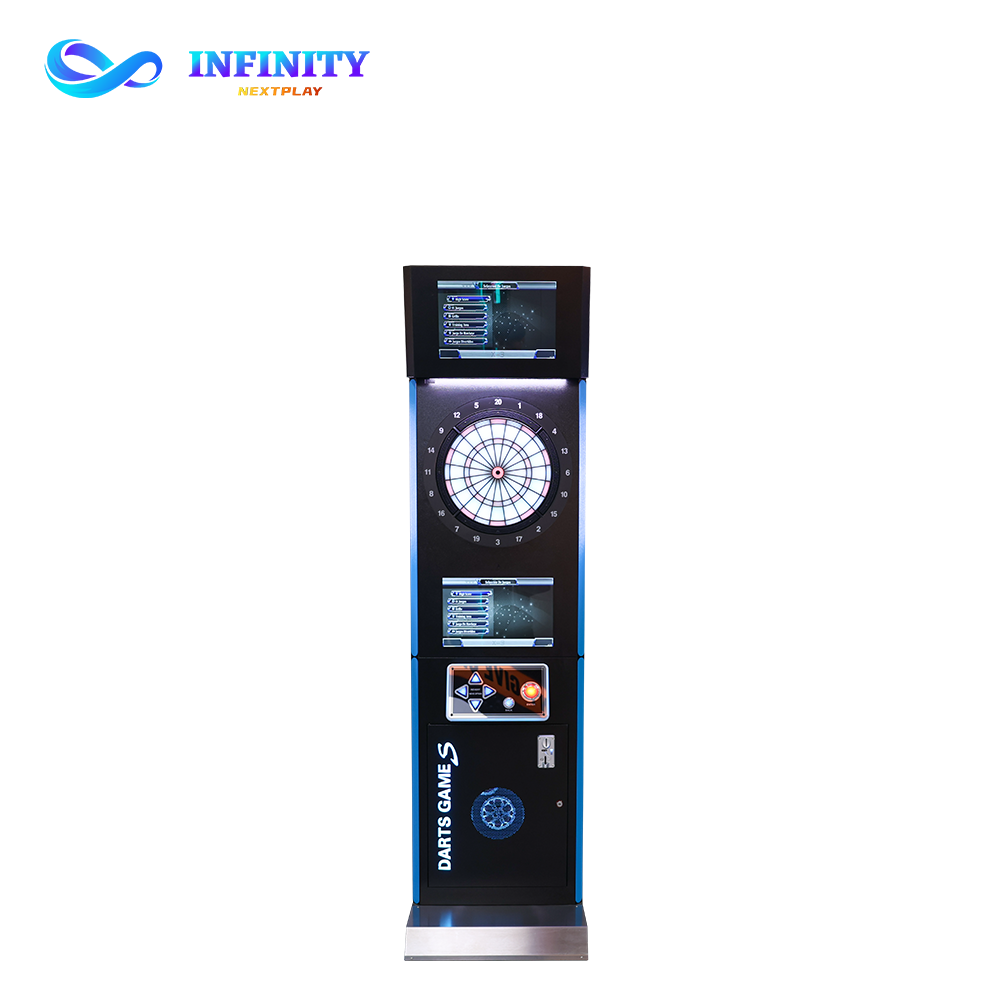
THE SPORTS BAR LAYOUT PICK
Professional Arcade Dart Machine X3
The dual-screen arcade dart machine built for the sports bar wall, the machine whose automatic scoring ends the disputes and whose build survives the bar traffic.
View Details ›
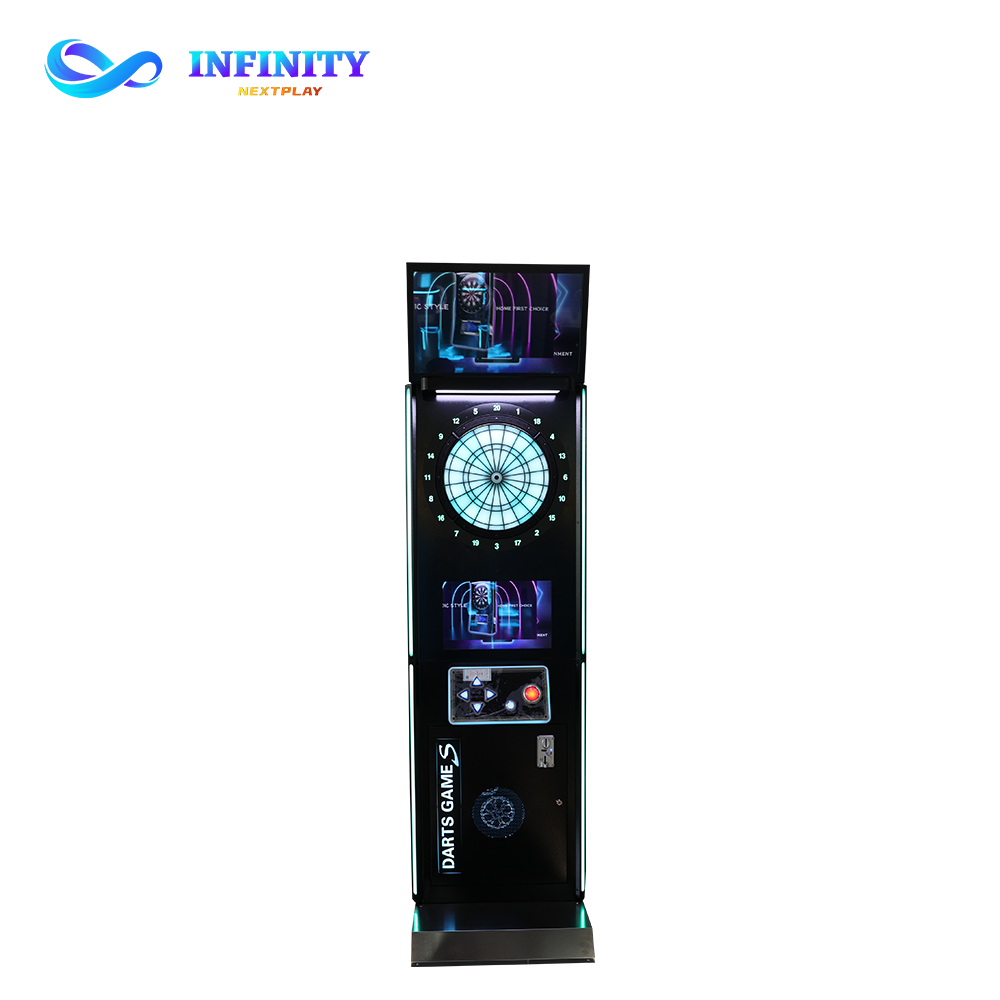
THE CASHLESS CORNER PICK
Coin-Operated Dart Machine X5
The coin-operated dart machine with the card-reader-ready system, the corner cabinet that captures the cashless play and feeds the same wallet the bar counter recharges.
View Details ›
Q1: How much does a dart machine make a bar per month?
The average bar machine collects 300 to 400 dollars of coin fees per month, the connected machine with the card system lifts the play 15 to 20% and the league season adds the pre-paid entry fees. The net after consumables and power lands at 300 to 500 dollars per month on the healthy machine.
Q2: What is the payback period on a commercial dart machine?
The single machine at 2,000 to 5,000 dollars delivered pays back in 14 to 20 months on the honest numbers, and the bar that adds the card system, the placement move and the league season finishes near the one-year line. The years after payback run at a 90-plus-percent margin.
Q3: How many games per night should a bar dart machine run?
The healthy machine runs 0.5 to 1.5 games per open hour on weekdays and 2 to 4 on weekend nights, about 20 games on the slow night and 60 on the busy one. The count reads free from the machine menu, and the machine below the benchmark needs the corner move, not the discount.
Q4: Does a dart machine really increase drink sales?
The dart player stays 40 to 60 minutes longer and spends about 6 dollars of extra margin per visit, so a machine that hosts 200 player-visits a month adds roughly 1,200 dollars of drink margin the coin box never shows. The game-and-drink bundles and the winner-drinks-free rules capture the attach on purpose.
Q5: What does it cost to maintain a bar dart machine?
The house darts replace at 20 to 40 dollars per set per quarter, flights and shafts run 10 to 15 dollars a month and the segment board refurbishes at 100 to 200 dollars a year. Total operating cost stays under 15% of machine revenue.
Q6: Should a bar buy a second dart machine?
Only after the first machine holds the games-per-hour benchmark for a full quarter: the second machine earns 70 to 80% of the first with a split placement, and the league roster is what justifies the third. The count-first rule keeps every machine paying.
Let the Corner Pay the Rent
Send your bar floor plan and your busiest nights, and our team will return the machine model, the placement plan and the coin-and-card setup that fits your corner, with the league launch kit included.

