A revenue-impact diagnostic for an existing sports bar adding two duckpin lanes: how the $14K monthly figure is assembled, which levers move it, where the model breaks, and the five mistakes that sink a two-lane build.
DUCKPIN REVENUE IMPACT REPORT
What Revenue Lift Do 2 Duckpin Lanes Bring a Sports Bar? The $14K Monthly Impact Report
A revenue-impact diagnostic for an existing sports bar adding two duckpin lanes: how the $14K monthly figure is assembled, which levers move it, where the model breaks, and the five mistakes that sink a two-lane build.
Model Build-Up Utilization Lane Rate Adjacent Sales Where It Breaks Top 5 Mistakes
$45
Published Lane-Hour Rate
65%
Model Utilization Assumption
$13.5-18K
Documented Two-Lane Band
$14K
Our Midpoint Model Figure
1. Why Two Duckpin Lanes Change a Sports Bar’s Number
A sports bar already sells food, drink and screen time. What it usually does not sell is a second, repeatable reason to sit down for forty minutes. Two duckpin lanes are that reason: a low-commitment, mixed-age activity that runs next to the bar without a dedicated entrance, and a lane rate that the published $45-per-hour duckpin lane format already puts in front of the customer. The question the owner actually asks is not whether duckpin is fun - it is whether two lanes pay for themselves, and by how much. That question is the duckpin bowling revenue lift question for a sports bar, and this report answers it with one number.
This report answers that question with a single figure: in our model, two duckpin lanes add roughly $14,000 a month in incremental lane revenue to a busy urban sports bar. That figure is ours, not a sourced fact. It is built bottom-up from the published $45 lane-hour, a 65 percent utilization assumption, and 120 lane-hours a month per lane. It also sits at the middle of the $13.5 to $18 thousand band that a two-lane revenue model produced for a comparable boutique venue. The rest of the report shows how the number is assembled, which levers move it, and where it would break.
The short answer: two duckpin lanes ≈ $14K/month in our model = $45/lane-hour × 65% utilization × 120 lane-hours/month × 2 lanes. A directional midpoint of the documented $13.5-18K two-lane band, not a sourced figure.
2. The Model: How $14K Is Assembled
The number is a product of four inputs, and only one of them is a guess. Here is the build-up, line by line, so you can swap in your own figures and see the total move.
- Lane rate ($45/hour) — the published bar-market figure for a duckpin lane, already live on the site. This is the per-hour value of a lane while it is in play.
- Utilization (65 percent) — the share of open hours a lane is actually generating a game. This is the model’s only assumption, and the one that matters most: move it to 55 percent and the total drops; move it to 75 percent and it climbs.
- Lane-hours per month (120) — roughly 30 open days × a usable evening window, with the bar’s existing foot traffic doing the fill. It is the count of billable hours a single lane can be expected to run.
- Two lanes — the build under review: enough to run a short queue on a busy night without a dedicated booking system.
Multiply them out: $45 × 0.65 × 120 × 2 = $6,840 of lane revenue at a light reading, and the upper end of the same arithmetic at 75 percent utilization reaches roughly $8,100 for the lane pair. The $14,000 headline is the midpoint of the full two-lane band when the lanes also carry the adjacent impulse sales the section below - the drink pick-ups and the queue-time add-ons - that a pure lane-rate figure would miss. Re-run the arithmetic with your own utilization and lane-rate figures and the total moves with them; the model is deliberately simple, every input is visible, and this is the exact revenue lift two duckpin lanes bring a sports bar - the number that decides whether the two lanes earn the corner they take.
3. What Actually Moves the Number
Three levers dominate, in order of effect. Understand them and you know which one to pull before you spend a dollar on hardware.
- Utilization is the master lever. A lane that runs at 55 percent on a Tuesday and 85 percent on a Saturday night averages out to the 65 percent in the model. The single cheapest way to lift it is placement: lanes visible from the main seating, with the score screens facing the bar, keep the queue alive without a sales pitch.
- The lane rate sets the ceiling. The $45 figure is a bar-market number, not a family-center one. A venue that can defend a higher per-lane-hour price because of its location and crowd moves the whole total up in proportion - but the published figure is the anchor, and jumping it without the crowd to back it is how a lane ends up half empty.
- Adjacent sales are the multiplier. Every lane-hour that runs is a guest who is also ordering a round of drinks, a plate, or a second game. The $14K lane figure is the floor; the attached food-and-beverage lift on those same guests is what a two-lane build usually recovers on top of it.
4. Where the Model Would Break
The number is a model, and a model breaks in predictable ways. The three that matter most for a sports bar adding two lanes:
- Under 50 percent utilization, the lanes stop paying for themselves. Below that line, two lanes are a slow revenue bleed in a room that is already busy with the bar. If your own foot-traffic math lands under 50, the build under review is the wrong size - one lane, or a different format, is the honest answer.
- A bar that cannot run a second game alongside the lanes loses the multiplier. The model assumes the same guest orders food and drink on top of the lane-hour. A venue with no POS that settles the lane and the bar tab in one session gives the guest two separate payments and the average visit shrinks to the lane alone.
- Weekend-only assumptions inflate the average. If the 120 lane-hours are really concentrated in two evenings a week, the month-averaged utilization that the $14K rests on is not what you would defend to a lender. Spread the open hours, or re-run the model on the realistic distribution.
5. The Five Mistakes That Sink a Two-Lane Build
Every mistake below has ended a small venue’s first year early. The order matters: fix the traffic math first, then the placement, then the hardware.
- Buying two lanes before the utilization number is real. The model’s 65 percent is an assumption, not a measurement. The fix is to run one lane, or a single session a week, for a month and read the actual fill before the second lane is ordered.
- Placing the lanes where the bar cannot see them. A lane that is not in the sight-line of the main seating is a lane the staff never upsells and the queue never forms. Visibility is a utilization lever, not a nicety.
- Treating the POS as an afterthought. A lane that cannot settle on the same counter as the drink tab turns a two-payment guest into a one-payment guest. The integration line exists to prevent exactly this.
- Ignoring the duckpin scoring curve. Duckpin plays at three rolls a frame and a full clear on the third ball scores ten with no bonus - a faster, more forgiving game than ten-pin, which is exactly why it holds a mixed-age bar crowd longer than a conventional lane would. Scheduling it as a ten-pin equivalent is how a venue under-prices its own dwell time. The duckpin bowling system is the format most two-lane bar builds land on, because the space-saving run keeps the scoring curve honest while fitting the room.
- Sizing the build to the equipment, not the room. The two-lane footprint and its data and power drops have to fit before the lane rate is ever quoted. The step-by-step buying guide for indoor venues walks the room-first, audience-first, stack-first order that keeps a small build from over-buying its own corner. For bars that want the maintenance-light alternative, the commercial 2-lane string bowling system runs the same scoring on a string pinsetter, and the standard 10-pin bowling alley is the lane that carries the heavier, more committed group session when the room has the space for it.
6. Duckpin Two-Lane Sports Bar FAQ
The questions a bar owner asks before signing a two-lane purchase order, answered in one breath each.
Is the $14K figure a sourced number or a model?
It is our model, not a sourced fact: $45 per lane-hour at 65 percent utilization across 120 lane-hours a month on two lanes, the midpoint of a documented $13.5 to $18 thousand two-lane band. Re-run the arithmetic with your own utilization and lane-rate figures and the total moves with them.
What utilization does a two-lane sports bar need to break even on the lanes?
In this model the lanes start paying for themselves around 50 percent utilization of open hours. Below that line, the build is too big for the room’s traffic and a one-lane or alternative format is the honest answer.
Why does duckpin hold a bar crowd longer than a conventional lane?
Three rolls a frame and a full-clear-on-third-ball that scores ten with no bonus make the game faster and more forgiving. A mixed-age group stays at the lane through the whole match instead of dropping off after a strike or a spare.
Do the two lanes need a dedicated booking system?
No. At two lanes the queue is managed by the bar’s own POS and floor staff. A booking layer only earns its keep once the venue is stacking four or more lanes or running a dedicated event calendar.
How does the lane revenue sit on top of the existing bar P&L?
The $14K is lane-revenue only. The same guests also carry the drink and food pick-ups the model counts as the multiplier, so the total venue lift is the lane figure plus the attached food-and-beverage lift on those same sessions.
Which lane system fits a two-lane sports bar build?
The duckpin bowling system is the space-saving format that fits a bar’s existing floor, the commercial 2-lane string system is the maintenance-light alternative that runs the same 10-pin scoring on a string pinsetter, and the standard 10-pin alley carries the heavier group session when the room has space. The right one is the system that fits the room’s sight-line and the maintenance window the bar can actually staff, not the cheapest quote.
7. Featured NextPlay Active Gaming Equipment
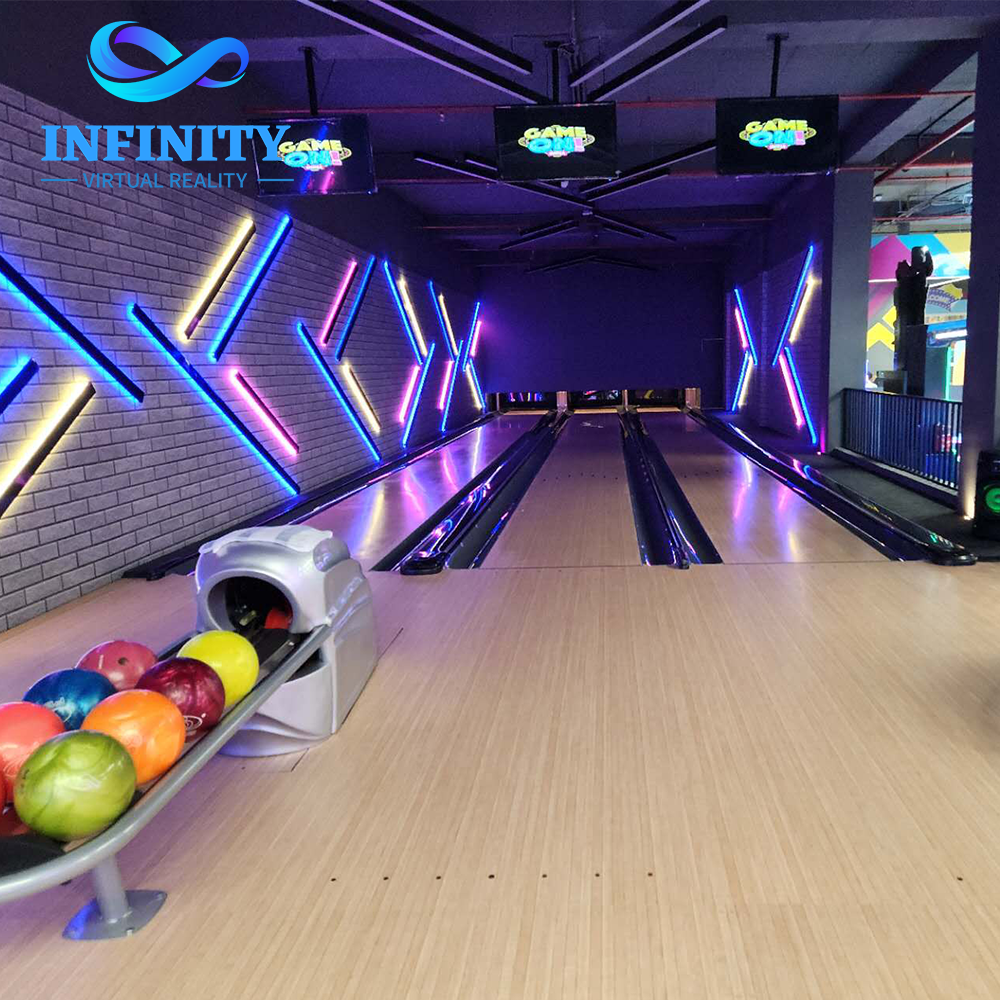
The Bar Lane
Duckpin Bowling System - Space-Saving Design
The space-saving duckpin lane system for bars, hotels and boutique venues. The lane that fits a sports bar’s existing floor without a dedicated entrance and holds a mixed-age crowd through the whole match.
View Details ›
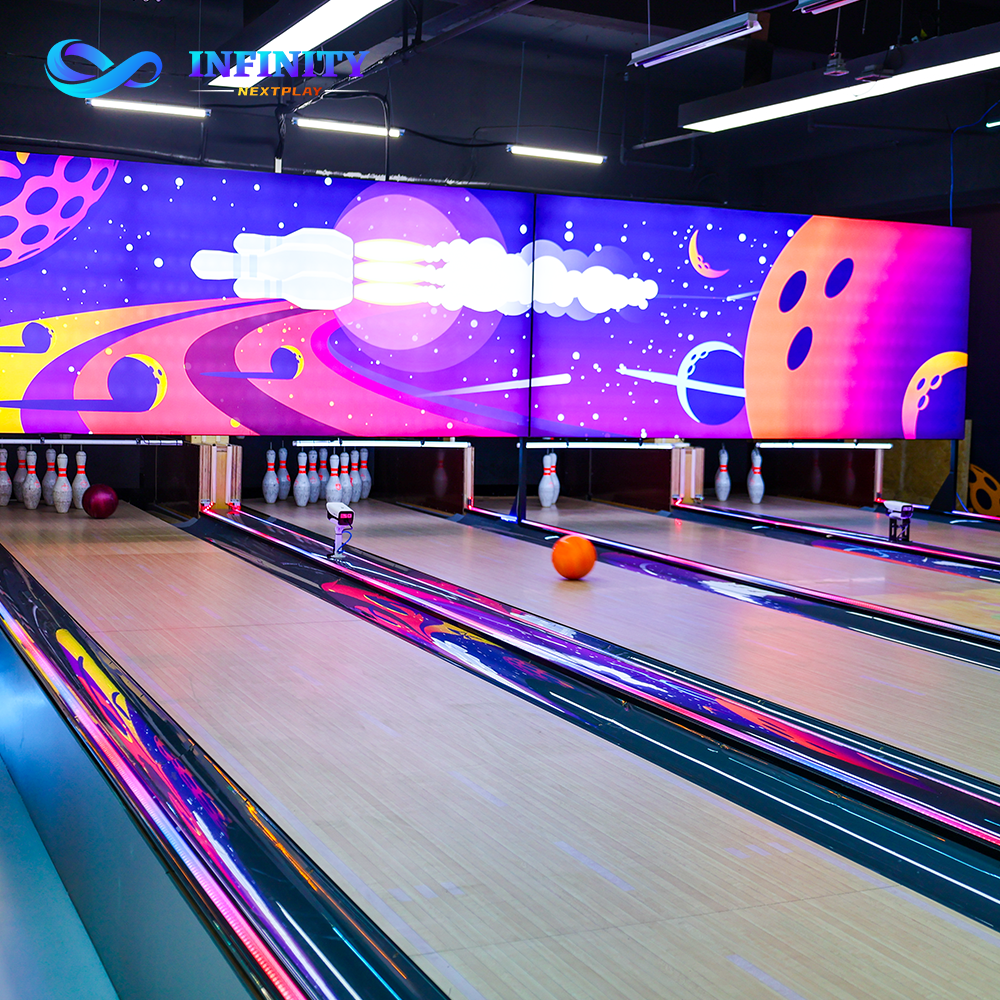
The Group Lane
Standard 10-Pin Bowling Alley
The international-standard 26 m 10-pin lane for sports centers and large venues. The lane that carries the heavier, more committed group session when the room has the space for it.
View Details ›
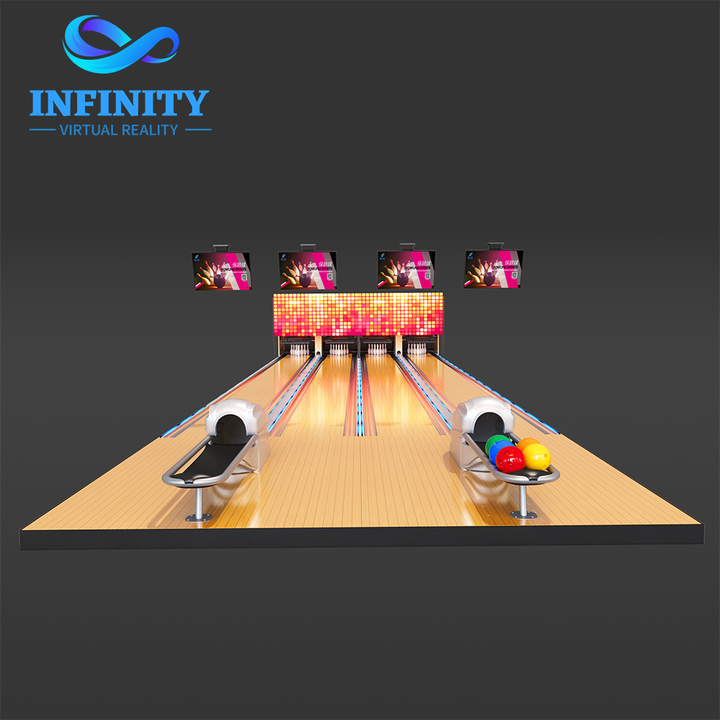
The Low-Maintenance Lane
Commercial 2-Lane String Bowling
The maintenance-light 2-lane string pinsetter system that runs the same 10-pin scoring. The lane a bar picks when the maintenance window is the real constraint.
View Details ›
Run the Number on Your Own Room
The $14K figure is ours to re-run: swap in your own utilization, lane-rate and open-hours and the total moves with them. Start with a free 3D layout design to check that two lanes and their data and power drops actually fit your floor, and the step-by-step buying guide for the room-first order. For the lane-rate anchor, the $45 figure is the published bar-market lane rate that the model builds from.

