The published downtime model prices an 800sqm park at $18,000 per three-day weekend and sets a 98%+ availability target. This playbook layers the daily, weekly and quarterly checklist that protects it - zone by zone.
SPORTS HALL MAINTENANCE - THE UPTIME CHECKLIST
What Maintenance Keeps a Sports Hall Floor Safe? The Uptime and Safety Checklist
The published downtime model prices an 800sqm park at $18,000 per three-day weekend and sets a 98%+ availability target. This playbook layers the daily, weekly and quarterly checklist that protects it - zone by zone.
98%+ uptime target $18K weekend stake Daily floor walk Weekly spare restock Quarterly audit Zone-by-zone ownership
98%+
Weekend Uptime Target
$18K
3-Day Weekend at Stake
1. What Maintenance Keeps a Sports Hall Floor Safe? The Uptime and Safety Checklist
A sports hall's maintenance program is not a cost center - it is the insurance policy on the three most expensive days of the week. The published downtime cost model prices the stake: an 800-square-meter active sports park carries $18,000 of gross ticket revenue across a single three-day weekend, and one lane down on Saturday afternoon burns revenue that no weekday can win back. The published analysis sets the target at 98%+ weekend floor availability - and the gap between 98% and 100% is exactly what a daily and weekly maintenance checklist manages.
The program in one line: commercial-grade hardware minimizes the failure population, a layered checklist catches what remains, and spares on the shelf close the rest before the weekend.
2. The Cost Model: Why 98% Is the Number
The published equipment-mistakes analysis lists the five selection errors that kill floor uptime - electrical drops, cheap non-commercial sensors, poor spectator visibility, missing POS integration - and behind all of them sits one distinction: commercial-grade versus consumer-grade. Consumer gaming gear is engineered for occasional home use, not 12-hour continuous commercial shifts; the published bowling equipment spec shows what commercial hardware delivers - string pinsetters rated at 99%+ weekend operational uptime. Every percentage point below target is scheduled weekend revenue, and the published model converts it directly: at the 800sqm scale, each lost peak-day percentage is a three-figure revenue event.
| Maintenance Layer |
Cadence |
Published Basis |
| Daily floor walk + surface check |
Before open, every day |
Zone-stack circulation paths (~15% of floor) kept clear |
| Mechanical watch (lanes/pinsetters) |
Continuous, attended |
String pinsetters spec: 99%+ weekend uptime |
| Sensor & scoring line test |
Daily |
Commercial sensor grade red-flag (published list) |
| Wear-item restock |
Weekly, pre-weekend |
Published spare-parts stocking guide |
| Full equipment audit |
Quarterly |
Published equipment-selection red flags |
3. Installation Choices That Cut Maintenance Before Day One
The cheapest maintenance is the work the installer does before opening day. The published zone-stack model orders the build so each layer is commissioned before the next is installed - flooring levels, power drops, sensor lines and network runs are the four installation lines the published red-flag list names as uptime killers when they are cheapened. The Duckpin Bowling System documents the same logic from the product side: space-saving design and easy installation are maintenance features, because a system that installs level and sealed starts life with fewer failure modes to chase.
| Installation Line |
Published Risk If Cheapened |
What Correct Installation Buys |
| Flooring level & seams |
Ball drift, trip hazards |
Clean rolls and a safe walking surface |
| Power drops per zone |
Electrical failure under peak load |
The published 12-hour commercial shift held safely |
| Sensor & scoring lines |
False scores, dead lanes |
Commercial sensor grade performing to spec |
| Network runs (POS/scoring) |
POS integration failure |
One dashboard for the whole hall |
4. The Checklist Layered on the Zone Stack
The published zone-stack model gives the checklist its structure: five zones, with back of house and circulation taking about 15%. The daily layer walks every zone before open - lane surfaces, bay floors, grid tiles, dart mats - because a spill at 9 AM is a refund at noon and a liability claim by evening. The weekly layer restocks wear items per the published spare-parts stocking guide - the parts that fail on a Saturday are the ones that were not on the shelf on Friday. The quarterly layer audits the whole hall against the published red-flag list, and the ownership folds into the published labor model: the bowling attendant runs the mechanical watch, the roving staff logs station faults, the desk tracks completion.
Uptime Target vs Published Equipment Specs (indexed, %)
String pinsetter spec
99%
Maintenance margin
1-2 pts
Source: published weekend availability target and string pinsetter operational spec. Bars are percentages indexed to 100; the maintenance margin is the gap the checklist manages.
5. One Pre-Weekend Friday, Assembled From Published Numbers
Picture the published figures assembled into one Friday. The 8 AM daily layer walks all five zones - the Standard 10-Pin Bowling pair gets its mechanical watch and lane surface check, the Duckpin Bowling System gets its lighter-cycle inspection, the archery and shooting bays get their sensor and scoring line tests on the Digital Scoring Q4 leaderboard loop. The 10 AM weekly layer restocks wear items against the published spare-parts guide - pinsetter bands, dart tips, grid tiles - and the shelf closes the day with the published logic satisfied: nothing that fails on Saturday is missing on Friday. The hall enters the $18,000 weekend with the published 98%+ target protected by a checklist whose every line traces to a published spec.
The scenario is illustrative, but every number in it is a published reference: the downtime cost model, the uptime targets, the equipment specs and the stocking cadence.
6. Planning Assumptions Behind Every Number
Every figure here is a published planning reference: the 800sqm, $18,000 three-day weekend downtime model, the 98%+ weekend availability target and the consumer-vs-commercial grade distinction come from the published equipment-mistakes analysis; the 99%+ string pinsetter weekend uptime comes from the published bowling equipment spec; the five-zone stack with ~15% back of house comes from the published zone model; and the stocking cadence follows the published spare-parts guide. All are planning references, not guarantees - restate each against your own equipment list, floor area and weekend demand before adopting them.
7. Frequently Asked Questions (FAQ)
The questions operators ask about floor maintenance and safety, answered with the published references.
What does one weekend of downtime actually cost?
The published downtime model prices an 800-square-meter active sports park at $18,000 of gross ticket revenue across a single three-day weekend - which is why the published analysis treats peak-weekend equipment failure as the most expensive failure a venue can schedule.
What uptime should a sports hall target?
The published analysis sets 98%+ weekend floor availability as the commercial target, and the published bowling equipment spec puts string pinsetters at 99%+ weekend operational uptime - the difference between the two numbers is the maintenance margin.
Why does equipment grade decide maintenance load?
The published red-flag list is explicit: consumer gaming gear is engineered for occasional home use, not 12-hour continuous commercial shifts - every consumer-grade component in the hall converts into repair calls that the published staffing model did not budget.
What belongs on a daily floor checklist?
The daily layer: lane and bay surfaces walked for spills and debris, ball and dart weights inspected, sensor and scoring lines tested, and the circulation paths (the published zone stack reserves ~15% for back of house and circulation) kept clear.
How does spare-parts stocking fit in?
The published spare-parts guide stocks wear items before the peak - the same logic applies to every hall zone: the parts that fail on a Saturday are the ones that were not on the shelf on Friday.
Who owns the maintenance schedule?
The published labor model already prices the attendant roles - maintenance folds into them: the bowling attendant runs the mechanical watch, the roving staff logs station faults, and the daily checklist closes before open.
8. Featured NextPlay Active Gaming Equipment
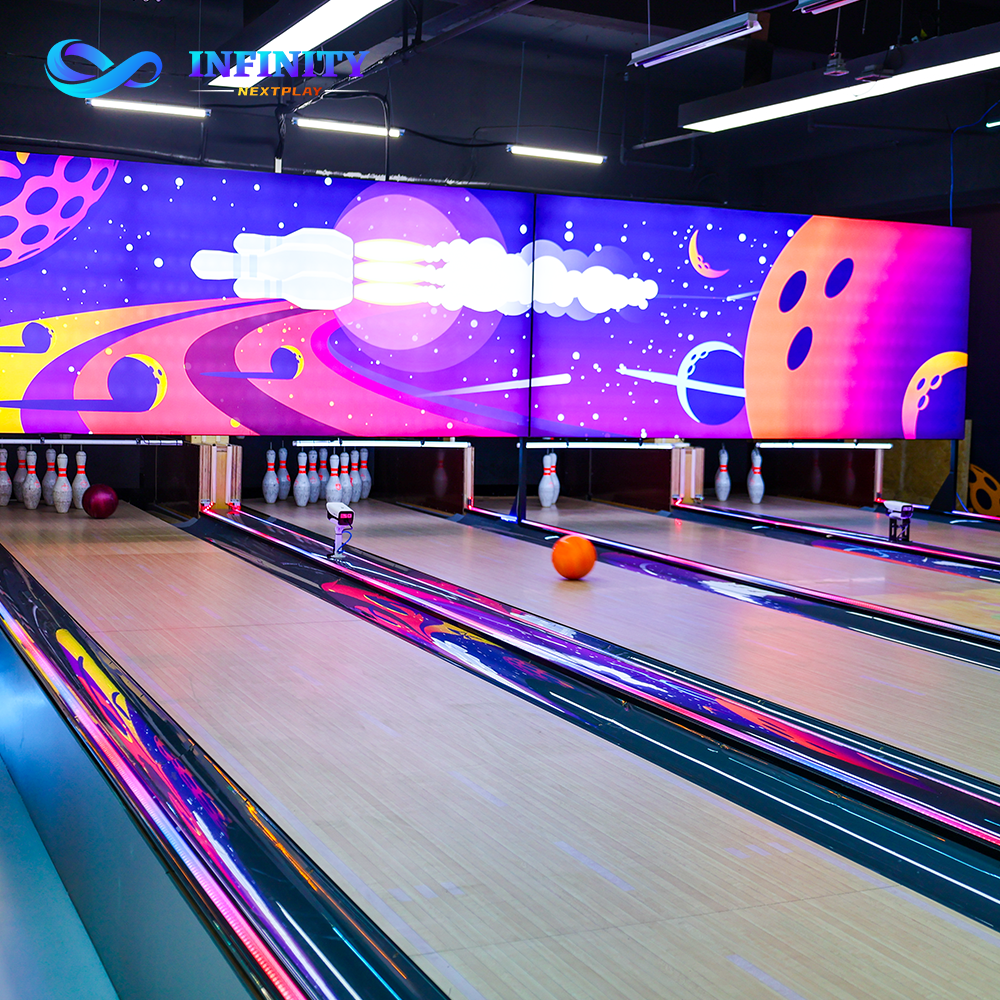
The 99% uptime spec
Standard 10-Pin Bowling Alley - 26m International Lane
Heavy-duty commercial string pinsetters rated at 99%+ weekend operational uptime - the hardware baseline of the maintenance program.
View Details ›
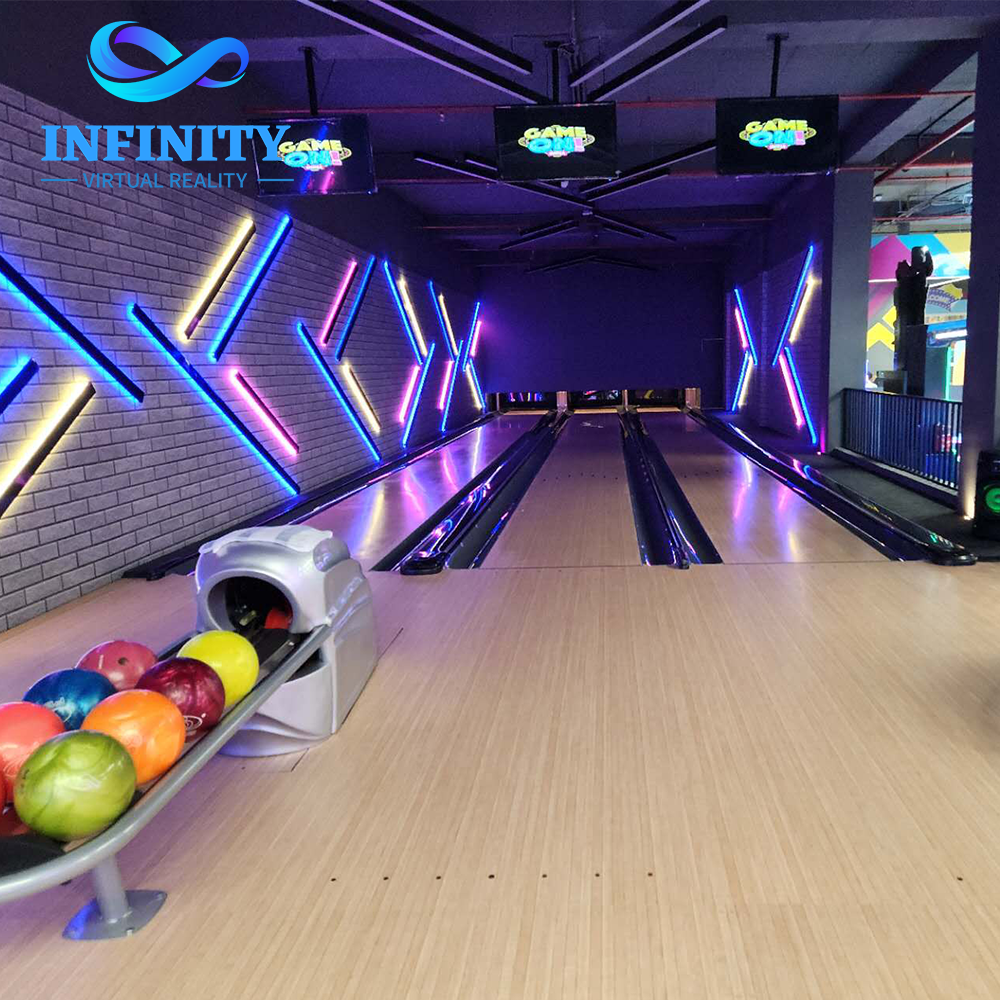
The light-cycle zone
Duckpin Bowling System - Space-Saving Full Venue
Shorter lanes and lighter balls mean a lighter wear cycle - the zone where the daily checklist catches issues early.
View Details ›
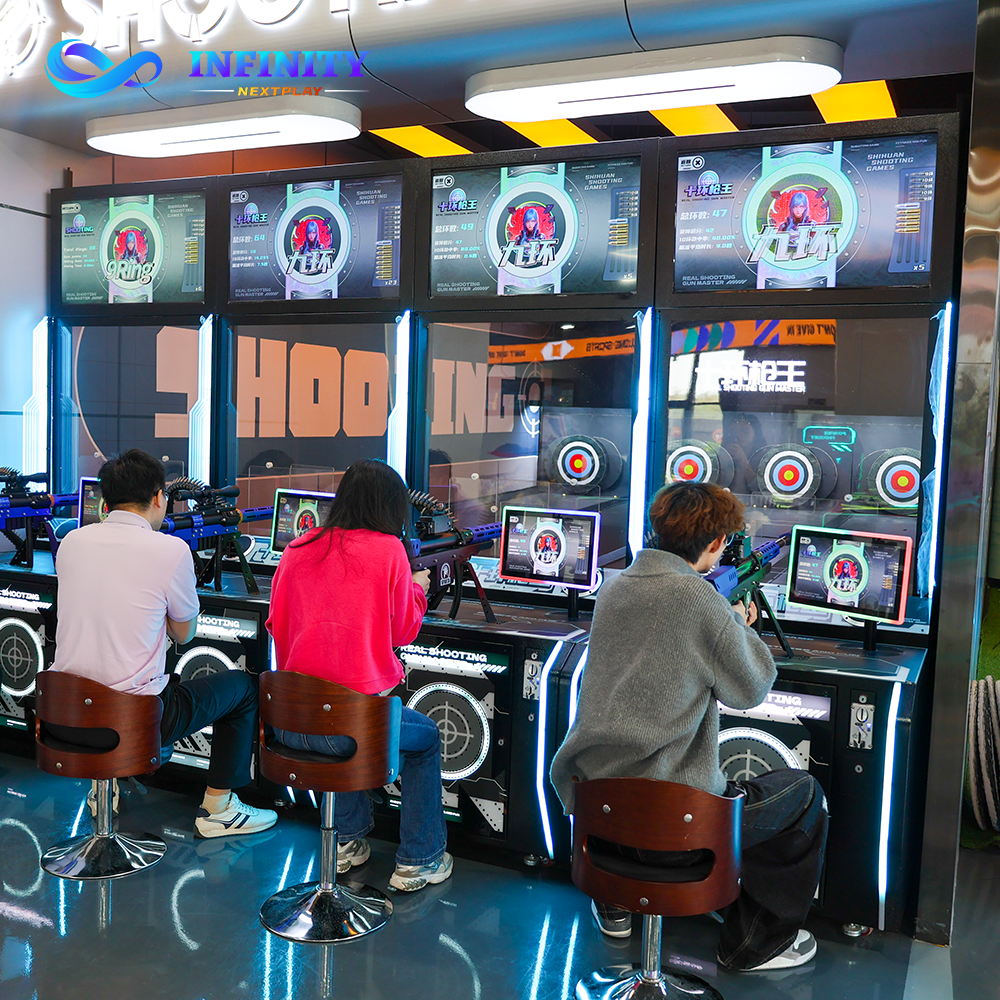
The daily sensor test
Digital Scoring Shooting Simulator Q4 - Real-Time Leaderboard
Commercial sensor grade with real-time scoring - the daily line test that keeps the published 98% target honest.
View Details ›

