MINI GOLF AS THE ANCHOR - THE PAIRING GUIDE
How to Combine Mini Golf with Other FEC Attractions
Mini golf as the anchor: the published base case ($37,440/mo, 18 holes, one operator) books the calendar - duckpin lanes share it at $45 lane-hour, LED floors monetize the wait, and the sportainment block extends the zone when the traffic is proven.
Anchor first Share the calendar Share the floor Session clocks stack $50-150K anchor band
$37,440
Anchor Base Case (published)
$45/hr
Duckpin Anchor (published)
300-500 m2
18-Hole Footprint (published)
$50-150K
Anchor Build Band (published)
1. What It Is: The Anchor and Its Pairs
Mini golf earns the anchor slot in a combined zone because its economics are published end to end: the published cost-space-profit stack carries the $37,440 monthly base case ($12 x 120 players x 26 days), the 18-hole footprint at 300-500 m2, and the one-operator auto-scored floor. The pairing question is which neighbors share its clock and its calendar - and the published comparisons have already priced the candidates per square meter.
The pairing rule in one line: share the calendar (duckpin), share the floor (LED), share the zone (sportainment) - and let the session clocks stack instead of clash.
2. How It Works: The Three Pairings That Work
Pair one - duckpin lanes: the published $45 lane-hour anchor and the per-square-meter frame in the mini-golf-vs-bowling comparison make this the calendar pair - the bowling-theme crossover hole ties the zones visually while both book the same birthday parties. Pair two - LED floors: the immersive LED floor monetizes the dead corners between holes and the queue time the course creates, by the minute rather than by the round.
Pair three - the sportainment block: the custom interactive sportainment setup extends the zone with a multi-game mix (2-8 products), the pattern the published sportainment page documents for venues that outgrow single-attraction floors. The session clocks stack by design: a course round inside an hour, a lane-hour on the published anchor, LED minutes in between - the queue of one becomes the customer of the next.
| Pair |
Shared resource |
Published anchor |
| Mini golf + duckpin lanes |
The party calendar |
$45 lane-hour; crossover hole |
| Mini golf + LED floor |
The floor itself |
Dead corners monetized by the minute |
| Mini golf + sportainment |
The whole zone |
Multi-game setup, 2-8 products |
| Mini golf + arcade |
The walk-in traffic |
Per-sqm frames (ue 888) |
Planning note, stated: the anchors quote the published cluster; the shared-resource framing is the analytical lens the published comparisons support.
An 800 m2 Combined Zone (EXAMPLE split on published footprints)
- Mini golf, 18 holes 44
- Duckpin lanes 28
- LED floor corners 13
- Lobby, parties, circulation 15
Source: worked scenario (EXAMPLE) - the published 18-hole map (300-500 m2) anchored into an 800 m2 zone; lane and corner shares follow the published footprints of each product.
3. Where It Fits: Build Order and the Money Sequence
The build order the published bands support: anchor first - the compact course at $50-150K (the published cost guide lowest band) booking the base case from month one; neighbors second, each addition arbitrated by the per-square-meter frames against the traffic the anchor proves; the block last, when the sportainment pattern fits the calendar. The duckpin system is the space-efficient lane answer - the published space-saving design targets exactly the bar-and-boutique footprint a combined zone runs.
The money sequence rides the same order: the anchor books the base case, the calendar pair doubles the party revenue across two zones, the floor pair monetizes the wait, and the block extends the ticket. The Labyrinth Challenge anchors the course's signature end while the free 3D layout service maps the whole sequence onto the real floor.
The failure pattern to avoid is the reverse build: venues that buy the neighbor first and hope the anchor follows end up with attractions that cannot share a calendar. The published comparisons all price the attraction that owns an outing format - the course books the party, the lanes book the hour, the floor books the minute - and the zone works when one of those owns the calendar the others feed from. Anchor first is not a preference; it is the sequencing the published economics reward.
The lobby is the fourth attraction nobody budgets: the published base case books 120 players a day through a briefing counter, a gear rack and a party staging area, and every neighbor multiplies that footfall. A combined zone succeeds in the circulation plan before it succeeds on the floor - sightlines from the entrance to the anchor, a party flow that does not cross the queue, and a lobby counter that sells the next attraction while the current one is still being played. The published space guide maps the course footprint; the circulation around it is the zone's real product.
The staffing plan follows the anchor order too: the published one-operator frame covers the auto-scored course, duckpin lanes add their own attendant on peak blocks, and the LED floor runs unattended between groups. Combined zones fail operationally when every attraction assumes its own dedicated crew - the published session clocks stagger, so one cross-trained crew can run the calendar if the counter sells it that way. The zone's labor bill is a scheduling decision, and it is made when the build order is made.
The Build Bands, Band by Band (published)
Source: published indoor mini golf cost bands - the anchor build starts at the lowest band; neighbors and the block layer on the proven traffic.
The party package is the thread that ties the zone together, and the published pricing ladder shows how it works: the course sells the round, the lanes sell the hour, and the package sells both to one birthday in one booking. The combined zone's highest-margin product is not any single attraction - it is the two-attraction party that fills the staging area the lobby plan reserved. Price the bundle off the published anchors ($12 round, $45 lane-hour), and the calendar pair stops being two attractions competing for Saturdays and becomes one venue selling two hours of the same party.
4. Frequently Asked Questions (FAQ)
What attractions pair best with indoor mini golf?
The pairs that share a clock and a calendar: duckpin lanes (the published $45 lane-hour anchor and the bowling-theme crossover book the same parties), LED floors (they monetize the dead corners between holes), and sportainment blends (the published multi-game setup extends the same zone). The published comparisons price each pairing per square meter.
Does mini golf compete with bowling for the same customer?
No - the published per-square-meter comparison frames them as complements: the course sells an outing format to mixed groups while lanes sell hour-long sessions, and the published bowling-theme crossover product exists precisely because the two book the same birthday calendar.
How much floor does a combined zone need?
The published space map gives the anchor: 18 holes at 300-500 m2. Duckpin lanes and LED floors layer onto the remaining footprint - the published cost bands ($50-150K compact, $150-350K mid) let the combined zone be priced band by band.
How do the session clocks interact?
They stack instead of clashing: a mini golf round runs inside an hour, duckpin books by the lane-hour, and the LED floor sells by the minute - the queue of one becomes the customer of the next. The published journey and cross-sell pieces document the multi-attraction lift.
Can mini golf be the anchor of a multi-attraction venue?
Yes - it is the published base case with the widest audience: $37,440 a month in ticket revenue, one operator on auto-scoring, and a party calendar that feeds every neighbor. The lane and simulator attractions monetize the wait the course creates.
What should be built first in a combined zone?
The anchor: the published cost bands start the course at $50-150K for the compact 300-500 m2 build, and the base case books revenue from month one. Neighbors layer on the proven traffic - the published per-square-meter frames arbitrate each addition.
5. Featured NextPlay Active Gaming Equipment
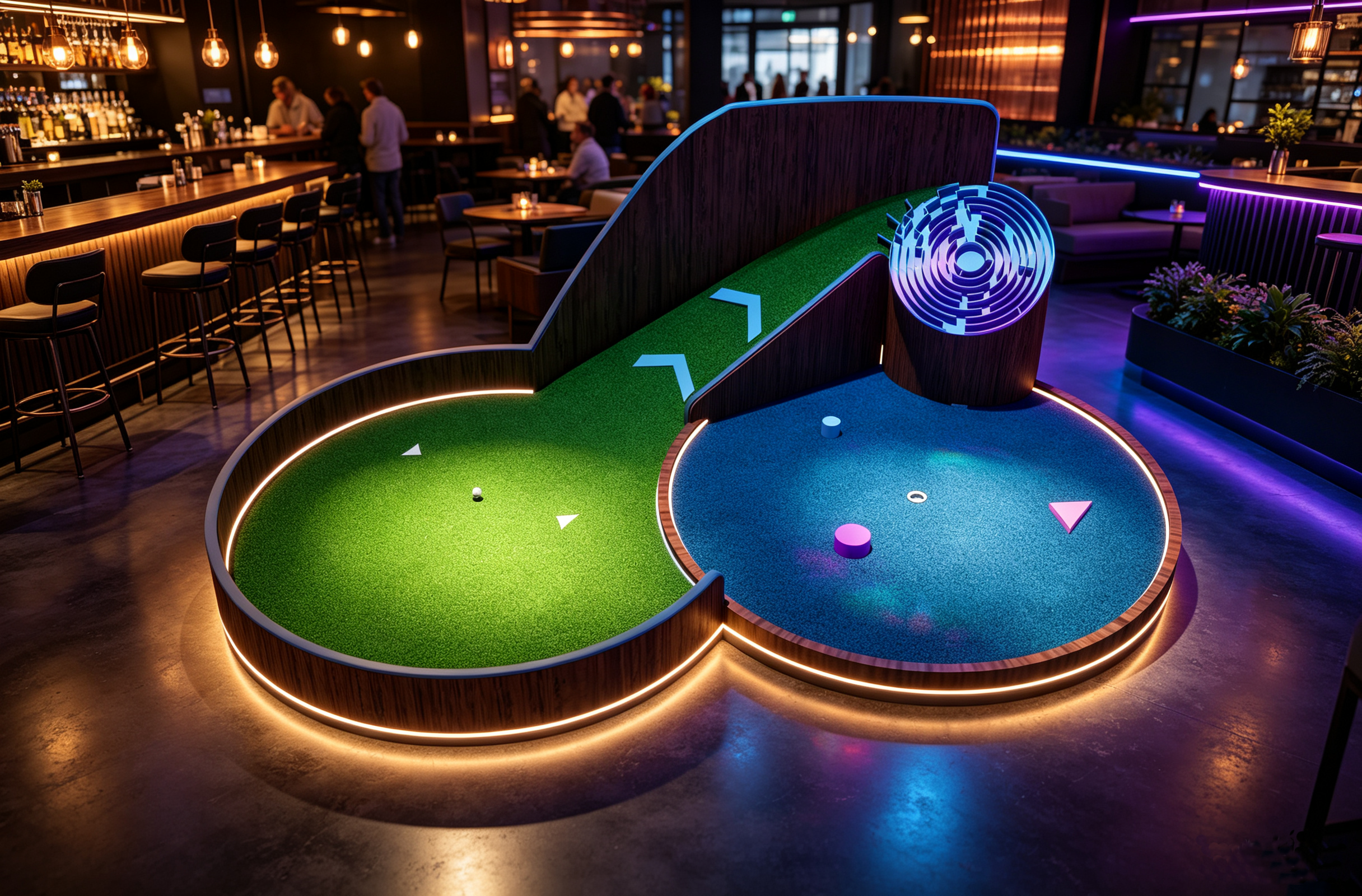
The anchor's signature
Labyrinth Challenge - Interactive Putting Attraction
The photographed hole that anchors the course end of the combined zone.
View Details ›
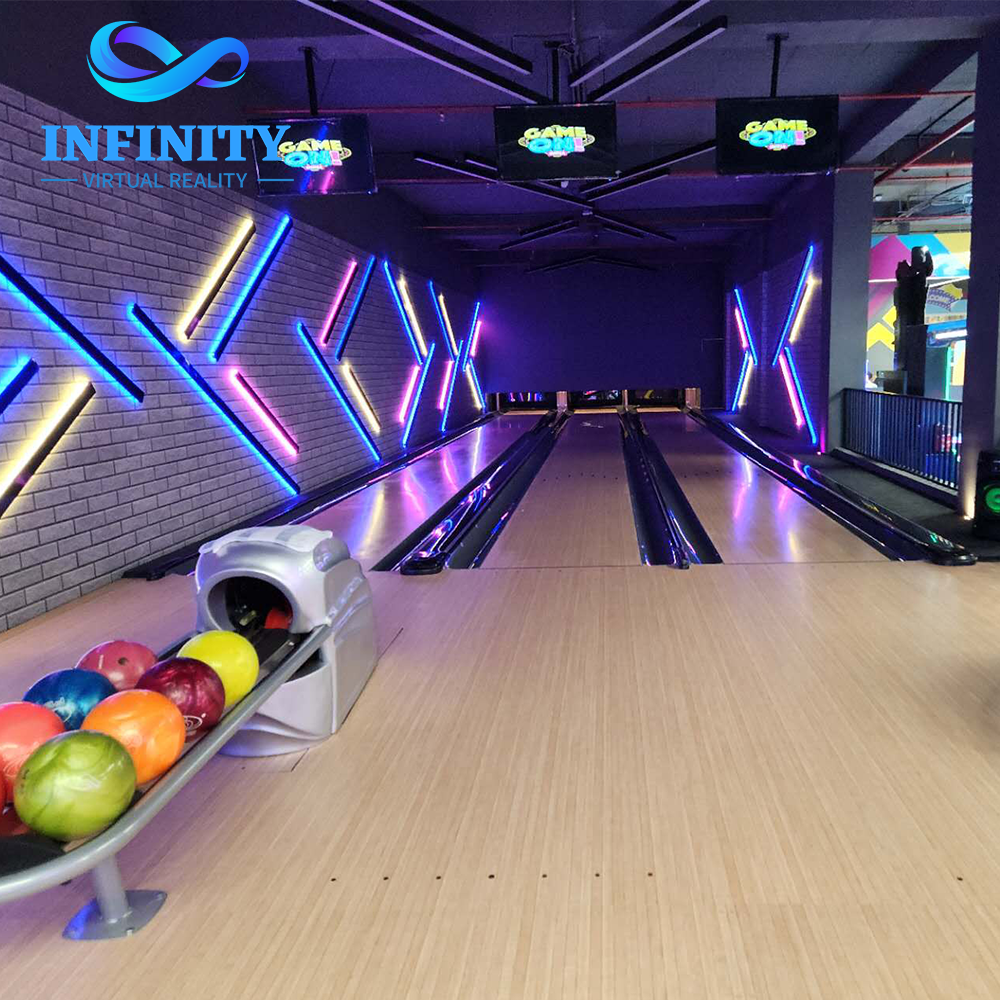
The calendar pair
Duckpin Bowling System - Space-Saving Full Venue Solution
The published $45 lane-hour anchor that books the same birthday calendar.
View Details ›
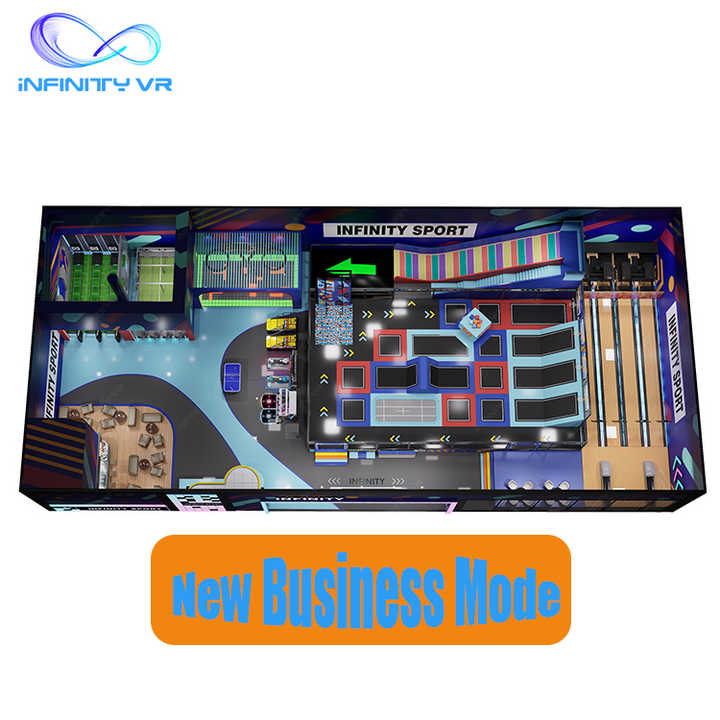
The block builder
Custom Interactive Sportainment Setup
The multi-game zone mix (2-8 products) for venues outgrowing single attractions.
View Details ›

