How to Combine Bowling, VR, Golf & Darts Into One Customer Journey
The journey design across four attractions: the lane as the group anchor at its published $45 lane-hour, VR rides filling the queue, the golf bay dwelling the middle, the dart wall gluing the night - one score system, one time-based ticket, one rematch.
Sep 28th,202613 Puntos de vista
FOUR ATTRACTIONS, ONE JOURNEY
How to Combine Bowling, VR, Golf & Darts Into One Customer Journey
The journey design across four attractions: the lane as the group anchor at its published $45 lane-hour, VR rides filling the queue, the golf bay dwelling the middle, the dart wall gluing the night - one score system, one time-based ticket, one rematch.
Journey, not a row$45 lane-hour anchorQueue = fuel40/20/15/10/15 floor frameOne score systemRematch pass
$45/hr
Lane Anchor (published)
5-8 min
VR Queue Filler
<3 m2
Dart Wall
+30%
Spectator Lift (published)
1. What It Is: A Journey, Not a Row of Machines
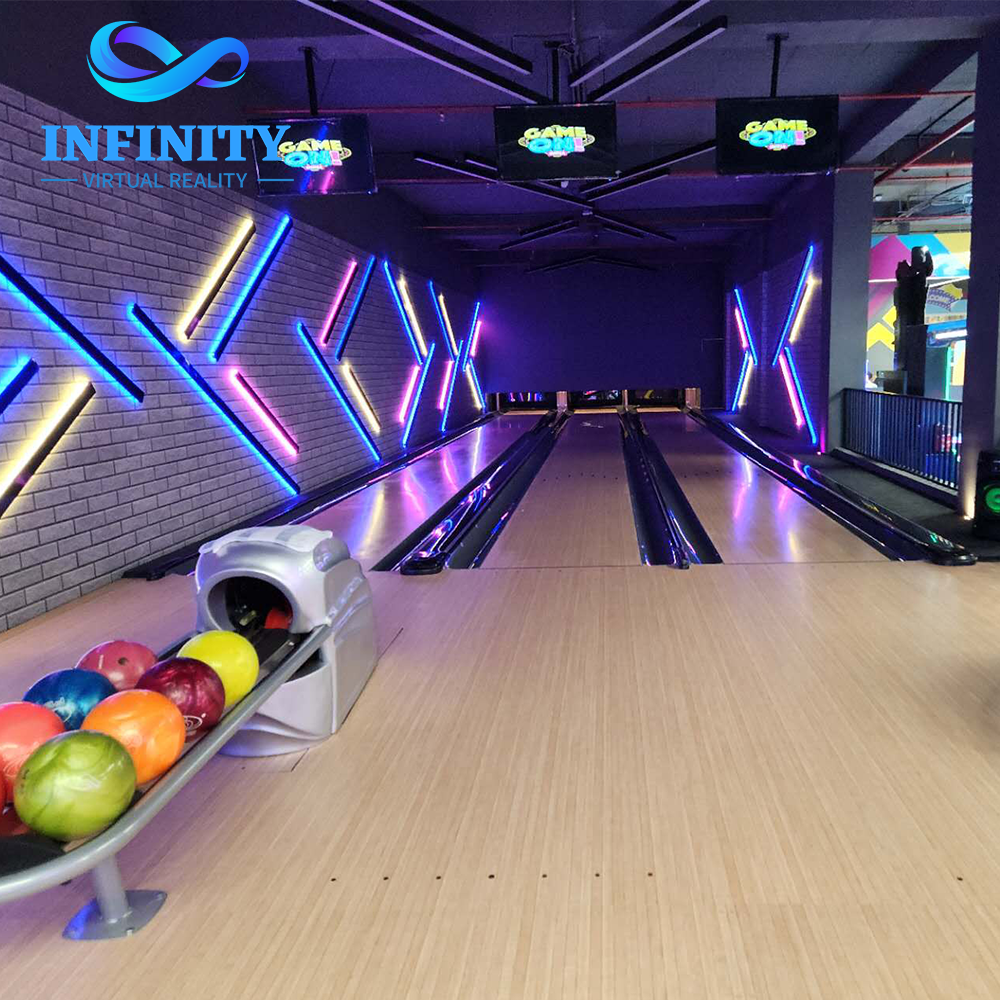
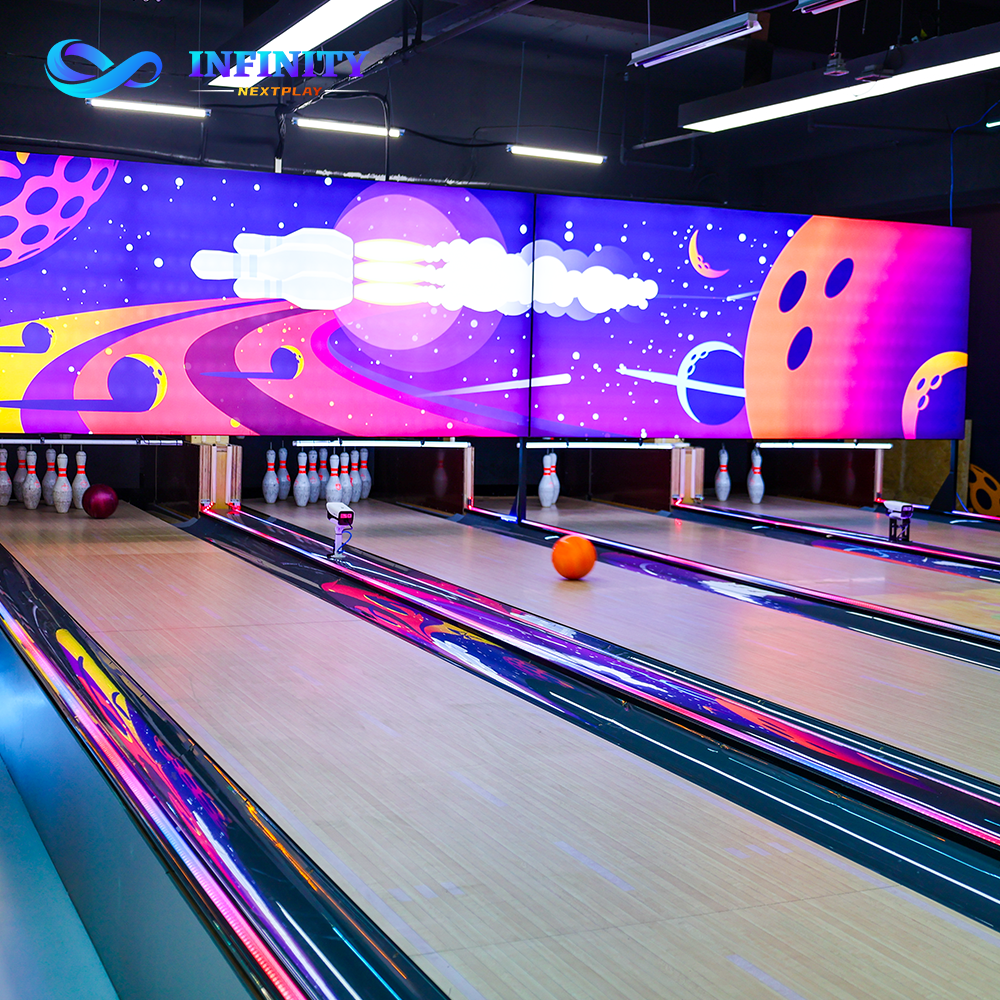
Four attractions in one room can be a catalogue or a journey, and the difference is the floor plan plus the schedule. The row of machines lets each unit fend for itself; the journey walks the guest from arrival to rematch - bowling as the group anchor, VR as the warm-up and peak-filler, golf as the dwell zone, darts as the social glue - and every waiting minute between stations becomes play instead of dead time. The published anchors price the pieces: the duckpin lane's $45 per lane-hour (the published duckpin format guide), the VR chair's 5-8 minute rides on a $6-12K unit (the published footprint guide), the dart wall's under-3-square-meter footprint (the published profit piece), and the golf bay's sensor-driven dwell (the AR golf guide).
This guide designs the journey as an operator would draw it: the zone order and the sightlines, the time-slot choreography that keeps four stations fed, the single score system that cross-registers the visit, and the pricing that makes the second attraction a one-tap upgrade. The published bar-bowling model is the two-attraction version of the same discipline.
In one line: anchor with the lane, fill the waits with VR and darts, dwell the golf bay - and register the whole journey on one system so the second attraction is one tap away.
2. How It Works: The Journey, Station by Station
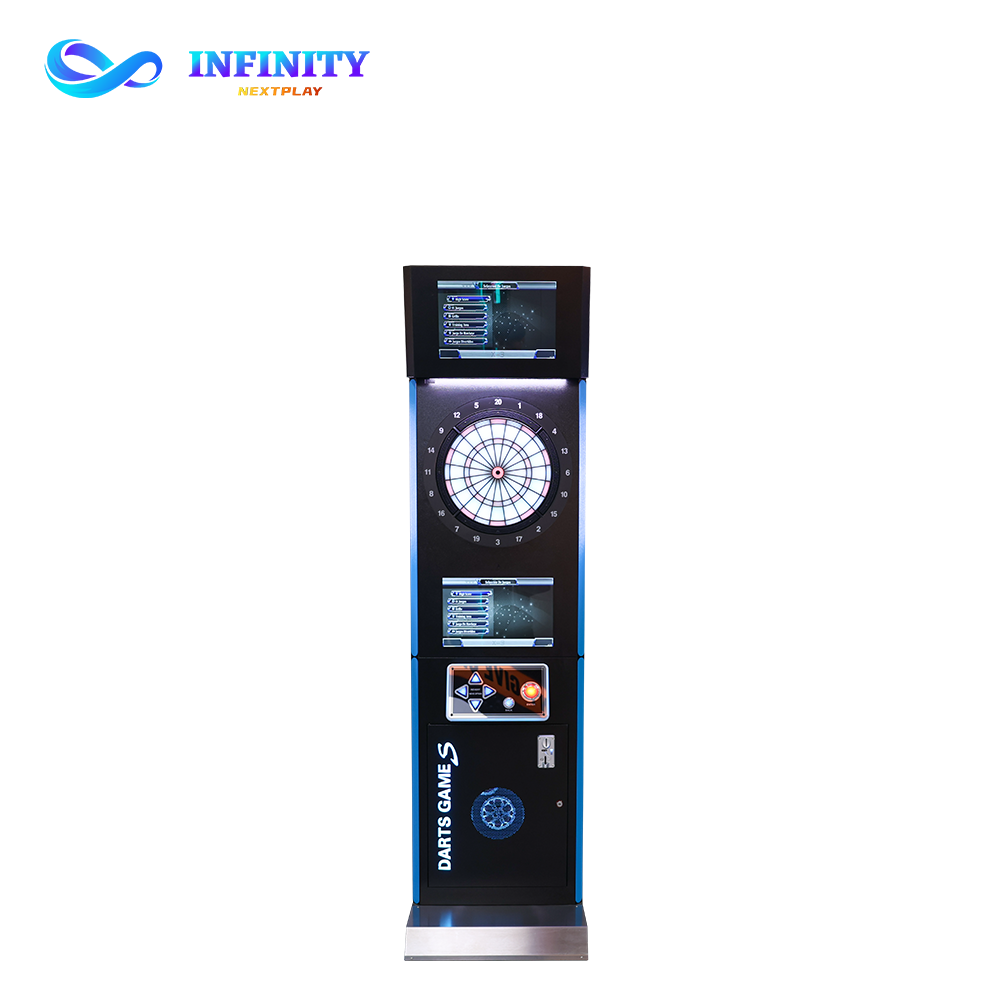
Station one, the lane: the journey's anchor and its clock. A duckpin group books 60-90 minutes at the published $45 lane-hour, and the lane's queue is the journey's fuel - the waiting group is captive, visible and ready to play. Station two, the VR wall: the 5-8 minute ride is the queue's perfect unit - short enough to finish while the lane sets, cheap enough to be an impulse. Station three, the golf bay: the dwell zone where the group's non-bowlers settle in for the long middle of the visit. Station four, the dart wall: the social glue that runs all night at under 3 square meters and takes zero staff.
The choreography is time, not space: peak hours run the lane at capacity and let VR and darts absorb the queue; shoulder hours flip - the golf bay and the dart wall carry the visit while the lane runs leagues or events. The published zone discipline (each zone earning its share of the $88-135 per-square-meter ceiling) judges the floor plan; the journey's job is to keep every zone's minutes sold.
Journey stage (EXAMPLE design frame)
Attraction
Time unit
What it earns
Arrival and warm-up
VR wall (5-8 min rides)
One ride while the lane sets
Impulse ticket, queue absorbed
Group anchor
Duckpin lanes
60-90 min at $45/lane-hour (published)
The booking the visit hangs on
Dwell middle
Golf bay
20-30 min rotating pairs
Long-session ticket, food attach
Social glue
Dart wall
3-5 min games, all night
Zero-staff yield between stations
Rematch hook
Score system + rematch pass
One tap
The second visit before they leave
Planning assumptions, stated: the journey table is an EXAMPLE design frame on the published anchors - the lane-hour and ride-length numbers are published, the stage shares are a planning frame, and your own traffic re-weights the choreography.
Where the Visit's Minutes Go (EXAMPLE, 2-hour group visit)
Lanes
60
Golf bay
25
VR wall
12
Dart wall
10
Counter and staging
13
Source: worked scenario (EXAMPLE) - minute split of a sample two-hour group visit across the journey; lane time anchors, the rest fills the waits. Planning references, not measurements.
3. Who It Is For: The Floor Split and the Sightlines
The floor split, as an EXAMPLE frame for a multi-attraction room: 40% lanes, 20% VR, 15% golf, 10% darts and social walls, 15% circulation and staging. The lanes take the biggest share because they earn the anchor's $45 lane-hour; the VR share is small because the ride is short; the golf bay earns its 15% on dwell and food attach; the dart wall needs almost nothing and pays all night. The published space discipline (the bowling space guide) sizes the lane share's envelope.
Sightlines are the journey's quiet engine: every station wants to be seen from the route to the next one - the ride you watch is the ride you book. The published spectator geometry prices the waiting-line placement at a +30% lift, and in a four-attraction room that geometry compounds: the dart wall visible from the lane, the golf bay visible from the counter, the VR wall on the path between them. The sportainment page carries the full-venue version.
Floor Share by Zone (EXAMPLE split, multi-attraction room)
Lanes and approach 40
VR zone 20
Golf bay 15
Darts and social walls 10
Circulation and staging 15
Source: worked scenario (EXAMPLE) - floor share frame for a multi-attraction room; each zone judged against the published $88-135/m2 monthly ceiling. Planning references, not prescriptions.
4. Where It Fits: One System, One Ticket, the Rematch
One system: cross-registration is what makes four machines a journey. The guest books the lane, the wall and the bay on one ticket; the score card moves with them; and the operator learns which pairs sell - lane-plus-VR, golf-plus-darts - which is the data the next purchase order should read. Without the single system the journey decays back into a row of machines with four cash registers and no story.
One ticket: bundle by time, not by machine. The session pass anchors on the lane's published $45 lane-hour and includes a VR round or a golf bay upgrade - the add-ons are margin, not discounts, because their marginal cost is a time slot the journey already found for them. The bar-bowling model (the published two-register guide) is the two-attraction proof that the bundle beats the sum.
The rematch: the journey's last station is the next visit. The score system holds the group's results, the rematch pass books the same slot next month at a small premium, and the league sign-up sheet sits where the scores post. The hardware list is short - the duckpin lanes, the AR golf simulator, the dart machine - and the layout that makes them a journey instead of a row is the free 3D layout designs job.
Visits That Add a Second Attraction by Journey Stage (EXAMPLE, share of groups)
Source: worked scenario (EXAMPLE) - share of groups adding a second attraction as the journey progresses; the single-system journey is the mechanism, the pass is the close. Planning references, not measurements.
5. The Defended Answer
Combine the four by designing the journey: the lane anchors at its published $45 lane-hour, VR fills the queue with 5-8 minute rides, the golf bay dwells the middle, the dart wall glues the night - all on one score system, bundled as one time-based ticket, with sightlines that let every station sell the next. The floor split (40/20/15/10/15 as an EXAMPLE frame) and the $88-135 per-square-meter ceiling keep the plan honest, and the rematch pass turns the journey into a calendar.
The buyer's one-line brief: anchor with the lane, sell the waits, dwell the middle, glue the night - one system, one ticket, one rematch.
6. Frequently Asked Questions (FAQ)
How do you combine bowling, VR, golf and darts in one venue?
Design a journey, not a row of machines: bowling as the group anchor, VR as the warm-up and peak-filler, golf as the dwell zone, darts as the social glue - sequenced by time slot, cross-registered by one score system, and priced so the second attraction is a one-tap upgrade.
Which attraction should anchor the room?
Bowling, on the published economics: the duckpin lane's $45 per lane-hour, its group format and its calendar power (leagues, parties) make it the anchor the other three orbit - the published bar-bowling model shows the registers it feeds.
How does the customer journey raise revenue?
It converts waiting minutes into play and single bookings into multi-attraction tickets: the queue that would have been dead time plays the dart wall, and the group that came for lanes adds a VR round while they wait - the spectator-side geometry the published studies price at a +30% lift.
What share of the floor should each attraction get?
A working EXAMPLE split for a multi-attraction room: 40% lanes, 20% VR, 15% golf, 10% darts and social walls, 15% circulation and staging - judged against the published $88-135 per-square-meter ceiling, each zone has to earn its share.
How do you price a multi-attraction visit?
Bundle by time, not by machine: a session pass that books the lane and includes a VR round or a golf bay upgrade. The lane's published $45 lane-hour anchors the pass; the add-ons are margin, not discounts.
Does the journey need one booking system?
Yes - cross-registration is the journey's spine. One score and booking system lets the guest move between lane, wall, bay and board without a second transaction, and gives the operator the journey data (which pairs sell) that decides the next purchase.
7. Featured NextPlay Active Gaming Equipment
The journey's anchor
Duckpin Bowling System for Full Venue Solution
The published $45 lane-hour and the group calendar the other three attractions orbit.
View Details ›
The dwell zone
AR Golf Simulator
Sensor-driven play that holds the group's non-bowlers through the visit's middle.
View Details ›
The social glue
Professional Arcade Dart Machine X3 - Dual HD Screens
Under 3 square meters, zero staff, all-night yield between the journey's stations.