The published band is $8,000-30,000 built per bay, against $20,000-60,000 for a cage. The full budget stack around it - room works, install, accessories - with each line marked published or EXAMPLE, and what moves the price inside the band.
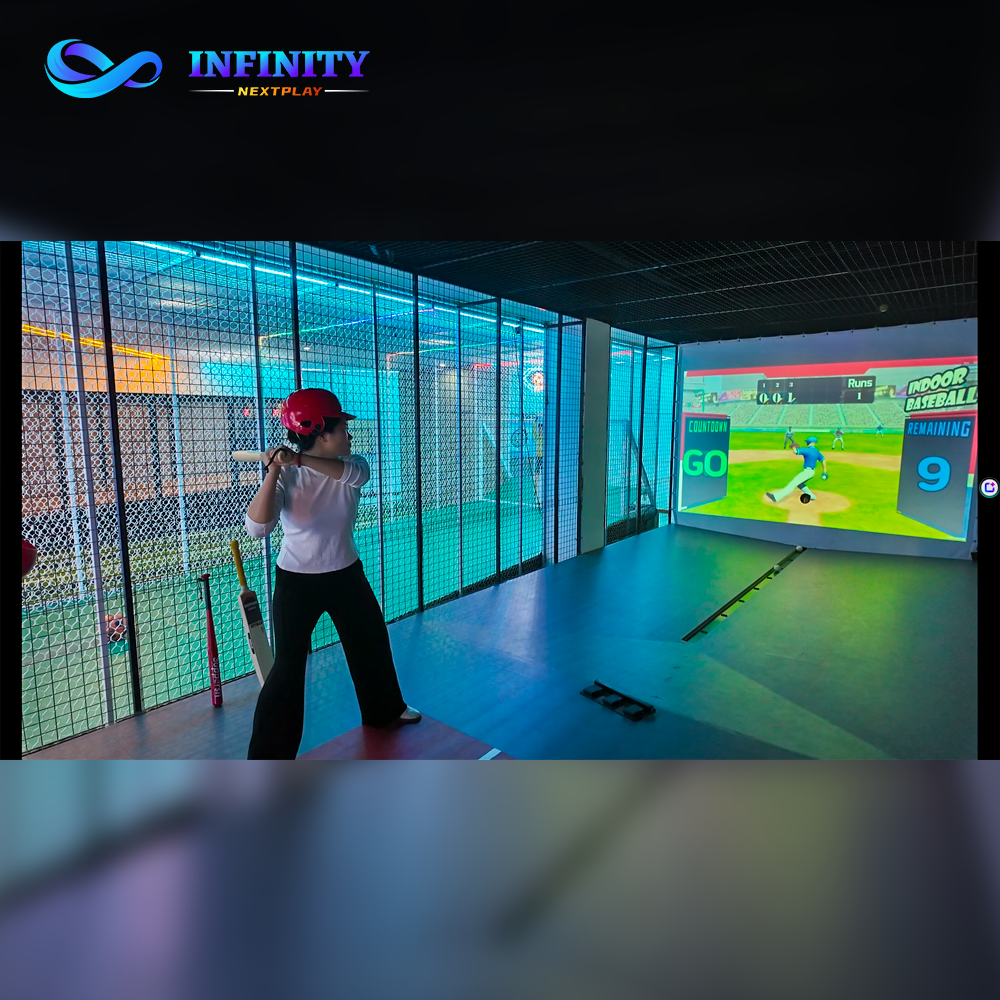
Start with the number the published comparison carries: a baseball simulator setup runs $8,000-30,000 built per bay, against $20,000-60,000 for a comparable batting cage build. The gap has a structural reason - a cage is mostly construction (netting, framing, turf along a 15-30 m run), while a simulator is mostly hardware inside a 6-10 m room. The Immersive Indoor Baseball Batting Simulator sits in that hardware band: real-time ball tracking, HD projection, adjustable pitch speeds in the 40-75 mph range.
The band answers the equipment question, not the project question. A working budget also carries the room (power circuits, light control, flooring, safety netting), installation and commissioning, staff training, and consumables - balls wear out, screens get replaced on a schedule. Those lines are real, they are quoteable, and they are where first-time buyers overrun. This guide walks the full stack and marks each line as published or as a labeled EXAMPLE split.
The equipment line is published. The room lines below are EXAMPLE planning splits for a single bay in a shell space - real quotes replace them, and the percentages shift with how rough the space is. The point of the stack is order of magnitude: if the equipment band is $8,000-30,000, the project total for a clean room lands meaningfully above the equipment number, and a rough shell lands higher still.
| Budget line | Basis | EXAMPLE share (single bay) |
|---|---|---|
| Equipment: tracking bay + projection + software | Published $8,000-30,000 band | 55-65% of project |
| Room works: power, light control, flooring | EXAMPLE split | 15-25% |
| Install, calibration, training | EXAMPLE split | 8-12% |
| Accessories: balls, replacement screen stock | EXAMPLE split | 5-8% |
| Contingency for shell surprises | EXAMPLE split | 5-10% |
Two lines deserve a warning. Light control is the cheap line that protects the expensive one: projection contrast is the product, and a bay fighting daylight loses the HD effect the published accuracy and gameplay guides describe. Netting behind the screen is the other quiet line - missed balls travel, and the 6-10 m room needs its back wall protected. Both lines cost little relative to the bay; skipping either shows up immediately in session quality.
The spread between $8,000 and $30,000 is not noise; it tracks three choices. First, tracking grade - the published accuracy guide covers what real-time ball tracking measures, and sensor tier is the single biggest spec difference between the ends of the band. Second, projection: screen size, brightness and throw distance price with the room, so a generous ceiling pushes the number up. Third, software scope: single-sport batting software prices below multi-sport libraries, and the published multi-sport physics guide shows what the wider libraries add for venues that share the room with other sports.
A practical read for buyers: pick the tracking tier by your customer, not by the brochure. A FEC selling fun sessions to families lives fine at the middle of the band; a venue selling practice to players who care about launch data has a reason to shop the top end. The published cross-sport comparison prices baseball bays against archery and shooting alternatives on revenue, which is the correct counterpart to this cost page.
Multi-bay projects change the arithmetic in your favor. The published zone model prices a four-bay layout as the standard zone - 10-15 m2 per bay, shared staffing, shared queue - and four bays share the room lines that a single bay carries alone. Per-bay project cost drops as the zone grows; per-bay revenue holds at the published $2,400 monthly machine yield as long as utilization stays in the band.
The budget only closes against revenue. The published anchors: $2,400 monthly yield per machine with a 7.1-month average CAPEX payback, an 8-12 month equipment payback band in the single-bay engineering guide, and a roughly 12-month scenario payback for the full zone build in the zone model. Read together, the equipment line of your budget returns first, the room lines return through the utilization they enable, and the zone carries the longest window because it carries the most build.
That is also why the cheapest possible bay is rarely the cheapest project. A bay specified below the room it sits in - weak projection in a bright space, tracking that cannot see the ball in a short ceiling - produces sessions below the published experience, and sessions below the experience do not repeat. The published revenue engineering guide builds $9,000 a month from repeat behavior; the budget line that protects repeat behavior is the one to defend. The published ROI blueprint carries the full machine-level model to test your own numbers against.
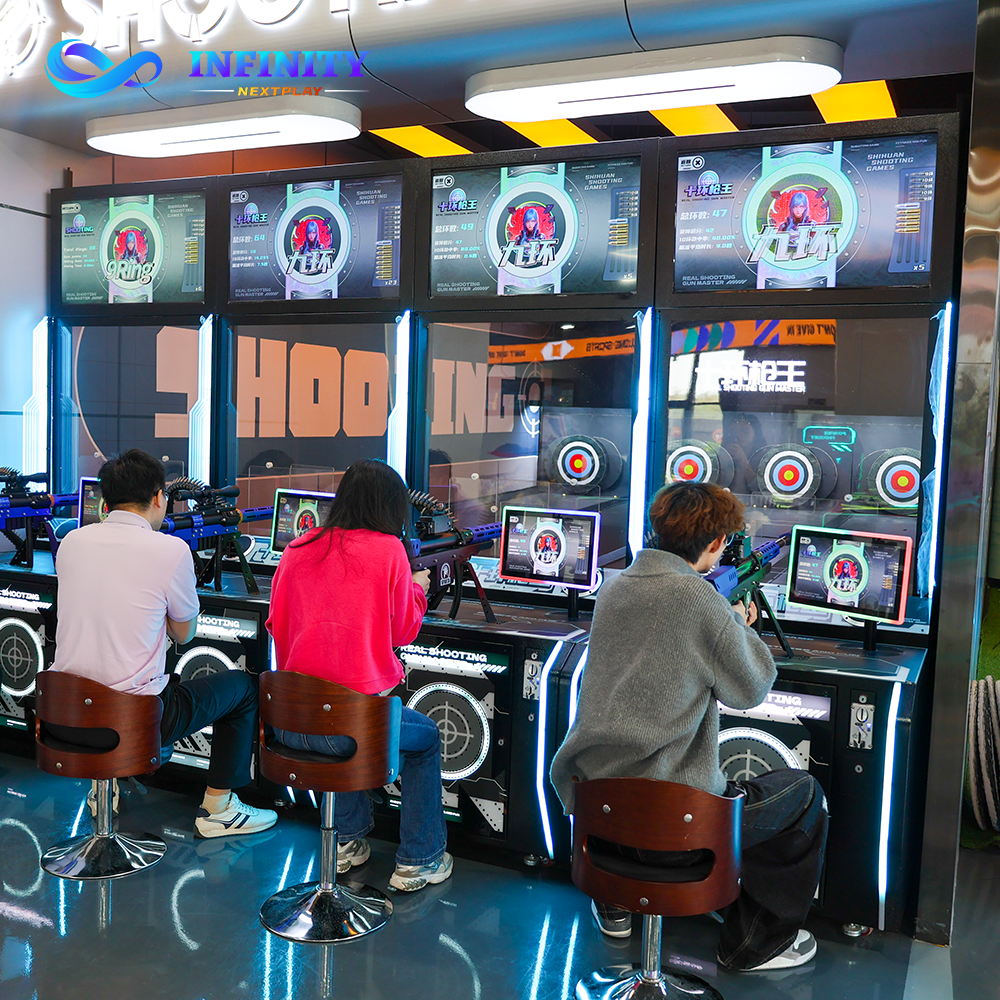
Three habits separate a real budget from a wish. First, quote from the floor plan: send dimensions, ceiling height and photos through the free 3D layout service so the bay count and the envelope are checked before numbers are discussed. Second, demand the room lines as explicit rows - a quote that prices only equipment has hidden your project total, not lowered it. Third, price the pair: the published zone cases stack the bay with a golf simulator full set or a digital scoring Q4 shooting bay, and shared room lines make the second bay cheaper than the first.
For the buying decision beyond price, the cluster carries the rest: the published simulator-vs-cage comparison for the build decision, the commercial deployment guide for FEC contexts, the tracking accuracy guide for the sensor questions to ask in any quote, and the zone profitability model for how a four-bay budget turns into the published $5,200-14,000 gross band.
The published band for a simulator setup is $8,000-30,000 built, per bay. The low end covers a single tracked bay with projection in a room that already works; the high end covers premium tracking, brighter projection and multi-sport software on a finished bay. Room preparation, install and accessories usually price outside that band, which is why the full budget stack below matters.
A cage is construction: a 15-30 m net run, turf, framing and a ball-handling setup, which the published comparison puts at $20,000-60,000. A simulator bay needs a 6-10 m room and the unit itself, so most of the budget goes into hardware rather than build-out. The published comparison prices both side by side for buyers weighing the two.
The equipment band covers the bay: tracking system, projection, the pitching-and-hitting software, and the frame. It does not cover the room (power, darkening, flooring, netting behind the screen), installation labor, training, or consumables such as balls. Treating those as free is the most common first-budget mistake; the EXAMPLE stack in this guide assigns them explicit lines.
The published zone model prices four bays as the standard zone on a 30-70% utilization band, and a four-bay layout is what produces the published $5,200-14,000 monthly gross. A single bay is a valid pilot if the budget is tight - the published single-bay case reaches $9,000 a month once leagues and bar spend attach - but plan the room so bay two and three can bolt on without rework.
The published ROI math: $2,400 monthly yield per machine with a 7.1-month average payback, and an 8-12 month equipment payback band in the single-bay engineering guide. At those rates the equipment line of the budget returns inside a year when utilization reaches the published band; the room works pay back through the utilization they enable.
Send the room dimensions, ceiling height and power to the supplier - the free 3D layout service returns the bay count and the envelope check before you commit a budget. A quote built on a real floor plan prices the room lines accurately instead of assuming them, which is where most overruns hide.
Send dimensions, ceiling height and photos: the free 3D layout design returns the bay count and envelope check - then a quote that prices the room lines explicitly, anchored on the Baseball Batting Simulator.