How Many Bowling Lanes Do You Need to Start a Business?
The count ladder from the published bands: two lanes to start ($80-150K), four-to-six for a boutique center ($150-600K), twelve-plus for a destination ($850K-1.7M) - each rung defended by the calendar it can actually fill, priced per lane-hour.
Sep 28th,202617 Puntos de vista
BOWLING LANES TO START - THE COUNT LADDER
How Many Bowling Lanes Do You Need to Start a Business?
The count ladder from the published bands: two lanes to start ($80-150K), four-to-six for a boutique center ($150-600K), twelve-plus for a destination ($850K-1.7M) - each rung defended by the calendar it can actually fill, priced per lane-hour.
2 lanes: the starting business$45/hr duckpin lane-hour$36-45K revenue per laneCount for Tuesday, not Saturday4 rungs, 4 envelopesUtilization beats count
2
Lanes to Start (published)
$80-150K
Two-Lane Envelope
$36-45K
Revenue Per Lane / Yr
4-7 yr
Payback Band
1. What It Is: The Lane Count Question, Answered From the Calendar
How many bowling lanes you need to start a business is not a square-meter question - it is a calendar question. A working lane books the published $36,000-45,000 a year and a duckpin lane clears $45 per lane-hour in published use, so the count is set by three inputs: how many lane-hours your market fills on a weekday, how much of the weekend it fills, and whether the food-and-beverage and co-attraction spend around the lanes earns more than the lanes themselves. The published 1,000m2 lane-count analysis answers the room-size version of this question; this guide answers the business-plan version.
The arithmetic in one line: lanes = peak-hour demand divided by what one lane clears, checked against the weekday floor. A lane that cannot fill its Tuesday afternoons still costs its maintenance line - roughly $2,700 a year on a string pinsetter against $9,400 on free-fall, published - so every lane you add must earn its place on the slowest day, not the busiest one.
In one line: buy lanes for the Tuesday crowd and let the Saturday crowd queue - the count that survives your slowest day is the count that pays back.
2. How It Works: The Count Ladder and What Each Rung Buys
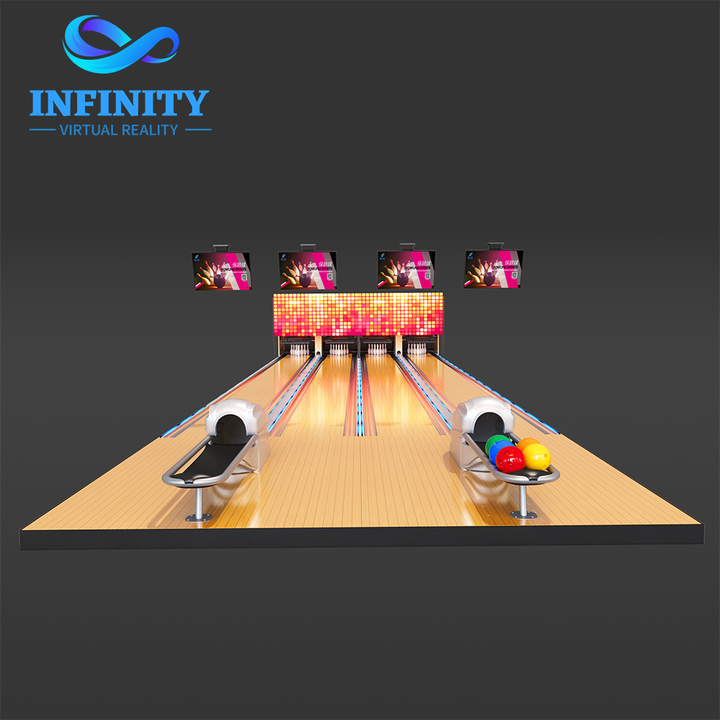
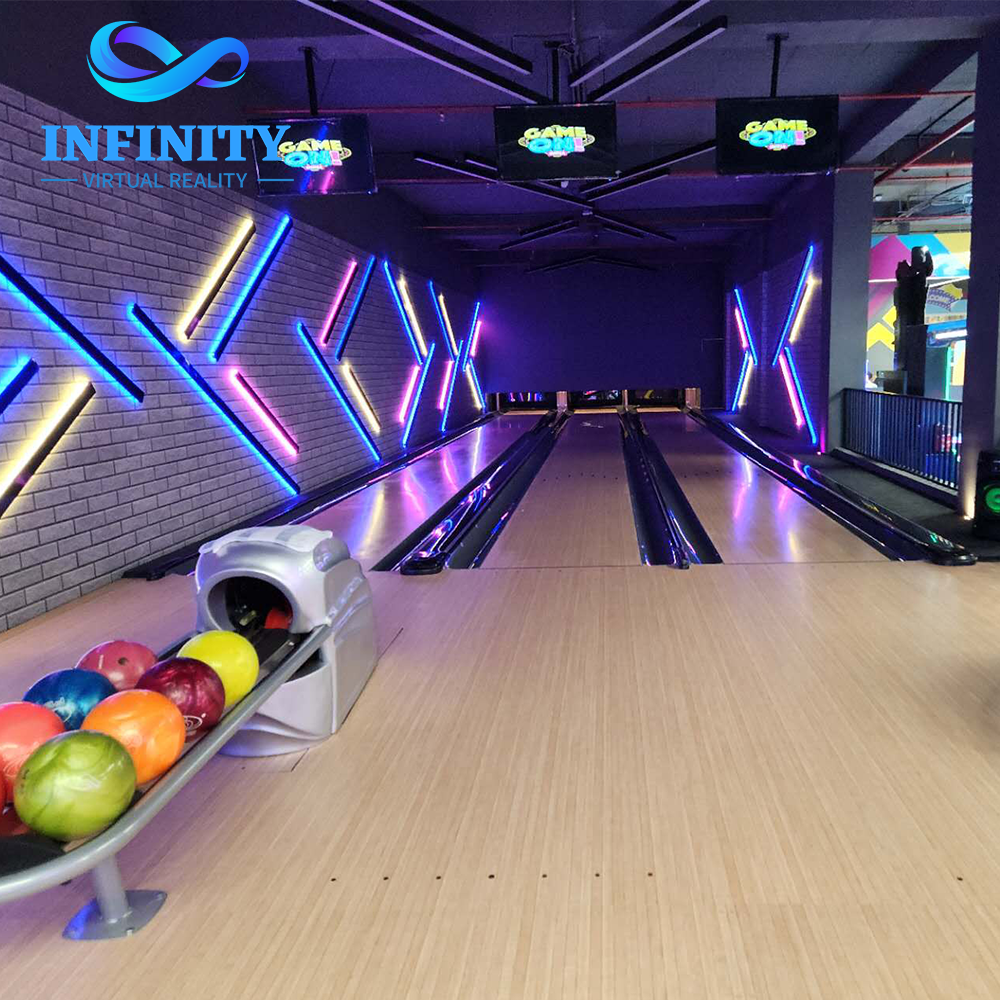
Two lanes is the starting business: the bar, hotel or boutique add-on that shares its staffing, bar and party calendar with an existing room. The published two-lane project envelope is $80,000-150,000, and the published bar-duckpin analysis prices exactly this rung - two lanes turn weeknights into events and carry the room's entertainment line without a dedicated team.
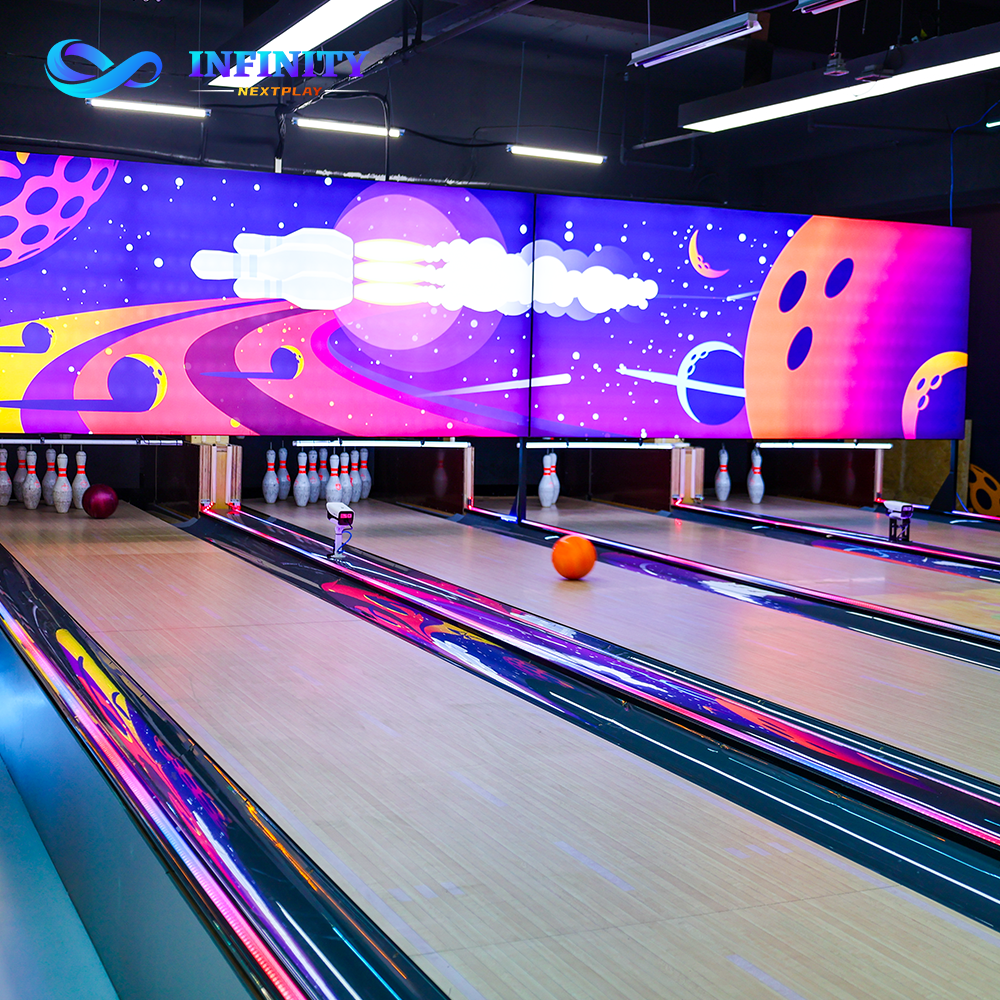
Four to six lanes is the boutique center: a real bowling business with its own calendar, party rooms and food program. The published four-lane envelope runs $150,000-260,000 and the six-lane boutique band $250,000-600,000; at this scale the format mix starts working - string lanes for throughput, a duckpin bowling system wing for social play - and the party calendar decides the revenue, as the per-game-vs-per-hour analysis details.
Twelve-plus lanes is the destination: the family entertainment center where bowling is the anchor attraction. The published twelve-lane envelope is $850,000-1.7 million on the 26-meter standard ten-pin alleys, and the count is defended by league play, tournament calendars and the travel-to-play crowd - demand layers a smaller room cannot fill.
Lane count (EXAMPLE frame)
Business it starts
Published project band
The calendar it needs
2 lanes
Bar / hotel / boutique add-on
$80-150K
Weeknight events + weekend parties
4 lanes
Boutique center, own calendar
$150-260K
Party blocks most weekends
6 lanes
Boutique FEC, mixed formats
$250-600K
Weekday leagues + weekend waves
12+ lanes
Destination family center
$850K-1.7M
Leagues, tournaments, travel-to-play
Planning assumptions, stated: the table is an EXAMPLE frame on the published project bands - the count is a demand-side decision, and the published cost guide carries the building-side sensitivities that move each envelope.
Annual Lane Revenue vs Lane Count (EXAMPLE, mid-band)
2 lanes
82
4 lanes
168
6 lanes
248
12 lanes
490
Source: worked scenario (EXAMPLE) - published $36-45K per working lane, mid-band, scaled with utilization taper as counts rise; actual rooms bend on F&B and party attach. Planning references, not quotes.
3. Who It Is For: The Count by Buyer Type
The first-time operator: start at two. The two-lane string build is the cheapest complete business the format offers, its 9.7-13 meter lanes fit buildings that cannot take ten-pin depth (the published space guide dimensions both), and its $2,700-per-lane-year maintenance line leaves room to learn the trade. The published maintenance analysis is the reading before the second pair.
The growing operator: the second pair of lanes is a calendar decision. Add lanes four when your weekend party blocks queue and your weekday leagues have a waitlist - the published peak lane-hour at $150-200 is what a queued weekend forfeits. The published attraction-mix guide prices the alternative: spend the lane budget on a co-attraction and watch the dwell-time math instead.
The destination developer: the count follows the catchment, not the room. League and tournament demand fills twelve-lane floors on published league-night structures; the 1,000m2 allocation guide and the lane-count analysis carry the room-size version of the same arithmetic.
Who Starts at Which Count (EXAMPLE mix)
Start at 2 lanes 45
Start at 4-6 lanes 35
Start at 10+ lanes 20
Source: worked scenario (EXAMPLE) - qualitative mix of published buyer guidance; illustrative shares, not a census.
4. Where It Fits: Utilization Beats Count
The marginal lane is a utilization bet. A lane earning the published $36-45K pays back inside the 4-7 year band; a lane earning half of that doubles the horizon while its maintenance line runs regardless. This is why format and count are one decision: a string or duckpin lane fills a Tuesday at lower stakes, and the bowling-theme mini golf challenge shows how co-attractions fill the same calendar slots at near-zero marginal cost.
The pricing layer finishes the job: the published per-game and per-hour models (the per-game pricing guide) convert lane-hours into revenue, and party blocks convert queued demand into deposits. Count, format, pricing, calendar - in that order, every time.
Utilization Across the Week (EXAMPLE, share of lane-hours sold)
Mon 25Tue 30Wed 45Thu 55Fri 85Sat 95Sun 70
Source: worked scenario (EXAMPLE) - a planning frame on published pricing structure: weekday leagues and parties carry the floor the weekends overshoot. Planning references, not measurements.
Before the purchase order, run the count against the floor plan: the free 3D layout design returns the lane fit, the room envelope and the seating share for the count you are considering - and the bowling-plus-sports-bar guide prices the staffing that count implies.
5. The Defended Answer
Start a bowling business at two lanes if the calendar is a bar's - the published $80-150K two-lane band and the $45 duckpin lane-hour carry it. Move to four-to-six when parties queue; go twelve-plus only when leagues and tournaments are real signed demand. The count is a utilization decision priced in lane-hours, defended by the slowest Tuesday, and every rung of the ladder has a published envelope that says exactly what it costs.
The buyer's one-line brief: two lanes to learn, four-to-six to earn, twelve-plus to anchor a destination - and the calendar, not the room, signs off each step.
6. Frequently Asked Questions (FAQ)
How many bowling lanes do you need to start a business?
Two lanes start the bar and boutique business in the published $80-150K envelope; four-to-six lanes start a real boutique center ($150-600K published); twelve-plus is the destination model ($850K-1.7M). The count your calendar fills - not the count your room fits - is the business.
Is 2 bowling lanes enough to be profitable?
For a bar, hotel or mixed-attraction venue, yes - the published bar-duckpin analysis prices the two-lane corner on weeknight events and weekend parties, with duckpin's $45 per lane-hour and the string pinsetter's ~$2,700-per-lane-year maintenance defending the margin.
How much revenue does one bowling lane generate?
The published band is $36,000-45,000 per working lane per year, driven by the per-game and per-hour pricing models and fattened by food-and-beverage and party attach; a lane that only fills weekends earns a fraction of it.
How many lanes does a family entertainment center need?
Boutique FECs run four-to-six mixed-format lanes in the published $250-600K band; destination family centers run twelve-plus ten-pin lanes at $850K-1.7M, defended by league and tournament calendars the smaller counts cannot fill.
When should I add more lanes?
When weekends queue and weekday leagues waitlist - the published peak lane-hour at $150-200 is what a queued Saturday forfeits. Add the second pair when the calendar proves it, and check the attraction-mix math before committing the budget to lanes instead of a co-attraction.
Which format should my lane count be built on?
Two-lane builds run string or duckpin (compact, low-maintenance); boutique counts mix string with a duckpin wing; destination counts build on 26-meter ten-pin. The format guide prices each rung, and the maintenance analysis prices the fleet's opex line.