A laser CS arena is a team battle played with light. You strap on a sensor vest, carry a blaster, and instead of paint or pellets your shots are beams that the vest reads and the scoreboard counts. What looks like a neon maze from the outside is really a game engine: every hit, every tag-out and every team score is tracked live, so the arena can run fair matches and let families play on the same floor as teenagers without anyone needing to referee.
If your group is planning a first visit, the arena reference is built around team play - the Infinity system runs battles with up to 8 teams in one match and player packages sized from 10 to 20 people, which is exactly the size of a family group, a birthday party or a school party. This guide maps one battle from walk-in to replay, so everyone knows what happens before the vest goes on.
The gear is three pieces: the vest, the blaster, and the arena sensors. The vest is your life bar - it has sensor pads that register hits and shut you down temporarily when you are tagged. The blaster sends the beam, and it is read by the vest you aim at, not by the lights in the room, which is why the game stays fair no matter how bright the laser decor looks.
Player packs from the Infinite Competition system include the vests and blasters in one set (packages of 10 to 20 players), and the packs use explosion-proof battery design - the arena staff handles charging and safety checks, so your job is just wearing the gear. Arena etiquette is simple: keep the vest sensor side forward, raise the blaster at your target, and move - standing still in a corner reads like a target on a screen.
Modes vary by venue, but the formats you will meet come from a short list. Team deathmatch is the default: two or more teams score points by tagging the opposing team, and the leaderboard flips through teams the way a scoreboard in a sports bar would. Last-Vest-Standing shortens the stakes - every hit removes a player until one team is the last one moving. Objective modes add a capture-the-flag logic where points come from holding a zone rather than just tagging.
The interesting part for families is the tournament mode. The same system that runs a casual match also runs a mini tournament with a leaderboard, which matters if your group is celebrating: a birthday party or a team-building group gets a bracket, a winner and a scoreboard moment instead of just "we played". It is the difference between renting a machine and running an event, and it is the engine behind the laser tag profitability blueprint on the venue side.
| Mode | What Happens | Good For |
|---|---|---|
| Team deathmatch | Tag the opposing team; leaderboard tracks every hit | First timers, mixed ages |
| Last-Vest-Standing | Tagged players sit out until one team remains | Groups that like stakes |
| Objective / zones | Hold zones or a flag area to score, not just tag | Strategy-minded groups |
| Tournament | A mini bracket with a live leaderboard and winner | Birthday parties, corporate teams |
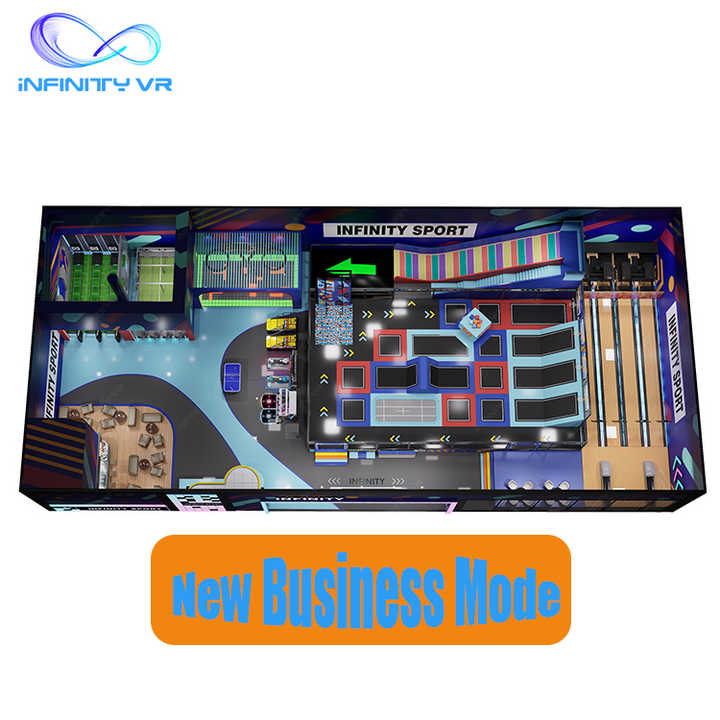
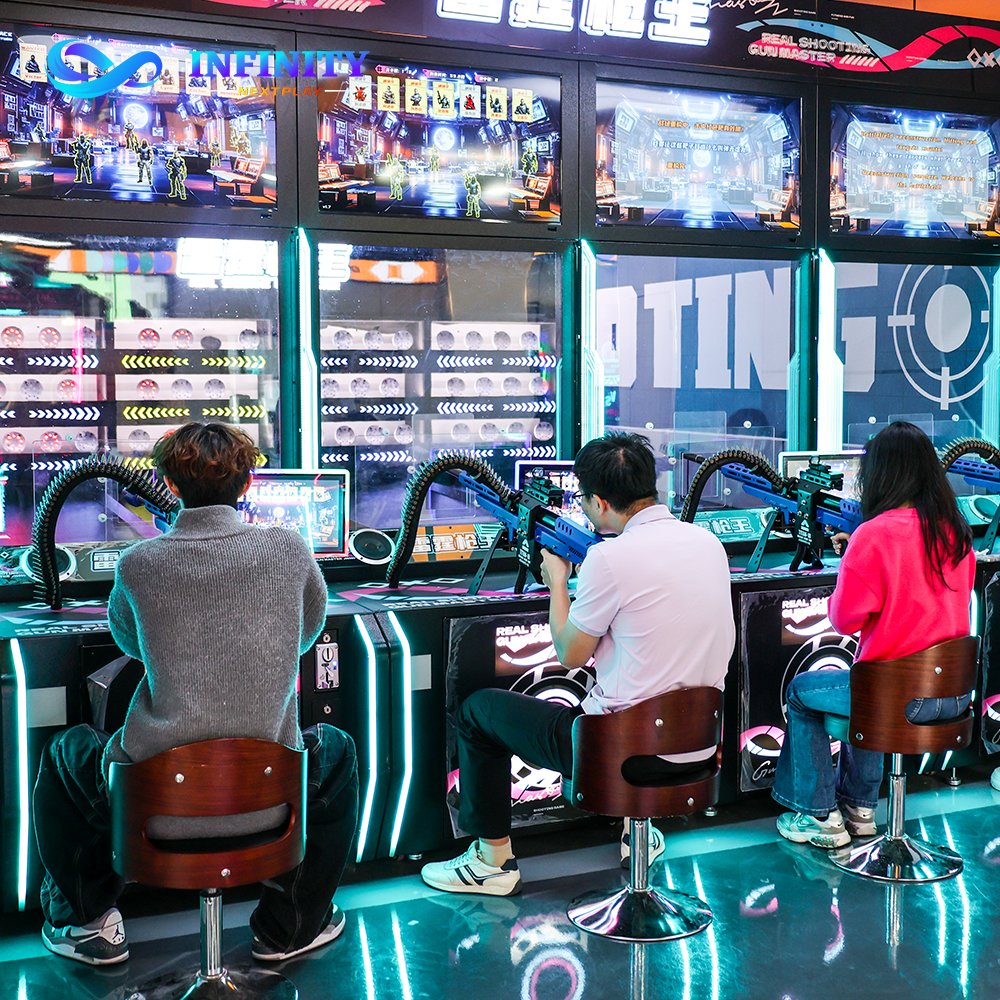
Arenas in this generation can mix the casual floor with shooter bays - reaction shooting machines like the Phantom Shooter C4 put a one-player-or-family challenge next to the arena, so the kid who finishes a match early has a ranked mini-game instead of dead time. The interactive social sports zone example shows the same mix of laser and shooter attractions on one floor plan.
Team play is where a family group either shines or frays, so the practical rules matter. Balanced teams beat fairness debates: most arenas assign sides randomly or by vest color, which is exactly what you want on a birthday visit. The 8-team format also means a mixed-age group is not trapped as one blob - a smaller squad of kids can team together against a squad of adults, and the scoreboard keeps it honest.
What grown-ups do not expect is how physical it is. A good match means running between barriers, crouching behind cover and rotating through the course, so wear grippy shoes and layers. The 300-square-meter interactive sports venue case and the family entertainment center with 500 daily visitors both describe these arenas running back-to-back sessions, which is why booking a session and arriving early beats walk-in timing on busy weekend slots.
Session prices usually follow one of two shapes. Per-player: one price per vest, typically for a fixed session length (say 15 or 20 minutes) covering one or two matches. Group package: a flat price for a party block - a number of vests plus reserved time - which is the shape that makes birthdays predictable. Game cards and add-on access are the third layer: the same venue often sells multiplayer access that includes the shooter bays and other interactive sports in the building.
For a family of four, a practical mental model is: one per-player session about the size of a movie ticket each, with an option to upgrade to a party block once the kids see the leaderboard. Group packages of 10-20 players map to the same Infinity equipment line sold into venues - so the custom interactive sportainment setup, the arena, and everything else in the building are usually sold as one experience desk, not per machine.
Nothing on this list is required, but each point removes a surprise and makes the first battle smoother.
The arena itself runs on the Infinite Competition system, the neighboring floor is often the custom interactive sportainment setup, and the reaction-shooter gap-filler is the Phantom Shooter C4. Which venue carries which combination is on the Infinite Laser CS solution page, and venues that offer the free 3D layout preview show the full floor before you buy tickets.
Direct answers to the questions families ask before booking a laser CS arena.
Yes. The player gear is a vest and a blaster that register beam hits; there is no projectile, no paint and no impact. Venues set a minimum age or height rule for the vest size, so check that line when you book.
Typical commercial sessions run about 15-20 minutes per vest, usually covering one or two matches. Check your venue because match length and how many matches one session includes vary by operator.
The Infinity system supports team battles with up to 8 teams and player packages from 10 to 20 people, so a whole party block can play in one session instead of splitting into groups that wait.
Just grippy indoor shoes and comfortable layers. The venue supplies the vest and blaster and handles battery charging and safety checks - you only wear the gear.
Yes - that is the point of team play. Random side assignment by vest color and multi-team formats let kids hold their own squad while adults take another, and the live scoreboard keeps the match fair.
Laser CS and laser tag are the same family of vest-and-blaster arena games. CS versions typically add team formats, objective modes and tournament brackets, which is why they suit parties and groups better than a solo free-for-all.
A typical shape is one per-player session (roughly the size of a movie ticket) per vest, or a flat group package for parties. Ask for the party block if your group is 10 or more - it is usually the predictable option.
Yes - group packages of 10-20 players map to the same equipment line, and tournament mode turns the party into a bracket with a winner and a scoreboard moment. Book early on weekends.
No. Staff brief everyone before the battle, the vests and blasters are set up by the arena, and the sensor game is self-scoring - first-timers are ready in a few minutes.
Many venues run reaction-shooter bays and interactive sports on the same floor. The Custom Interactive Sportainment setup describes 2-8 products per zone, so a visit can combine the arena with other games on one experience desk.
The Infinite Laser CS solution page shows how operators set the arena and the family formats up, and venues that offer the free 3D layout preview display the full floor before you reserve - so your group picks the session type that fits your night.