When we decided to open a boutique entertainment venue in a downtown district, we faced a common constraint: limited space. Our lease was for just 180 square meters — far too small for a traditional 10-pin bowling center, yet we wanted bowling to be the anchor attraction. The solution came in the form of a Duckpin Bowling System from Infinity NextPlay, paired with an Infinity Grid LED Dance Floor and a few well-chosen complementary games.
What we discovered is that a small-footprint venue can actually outperform larger competitors on a revenue-per-square-meter basis. With a total investment of $220,000 and monthly operating costs of $9,500, our venue generates $30,000 in monthly revenue with a payback period of just 11 months. Here's exactly how we designed, equipped, and operate this compact entertainment space.
Our First-Year Performance
1. Duckpin Bowling — The Space-Saving Anchor
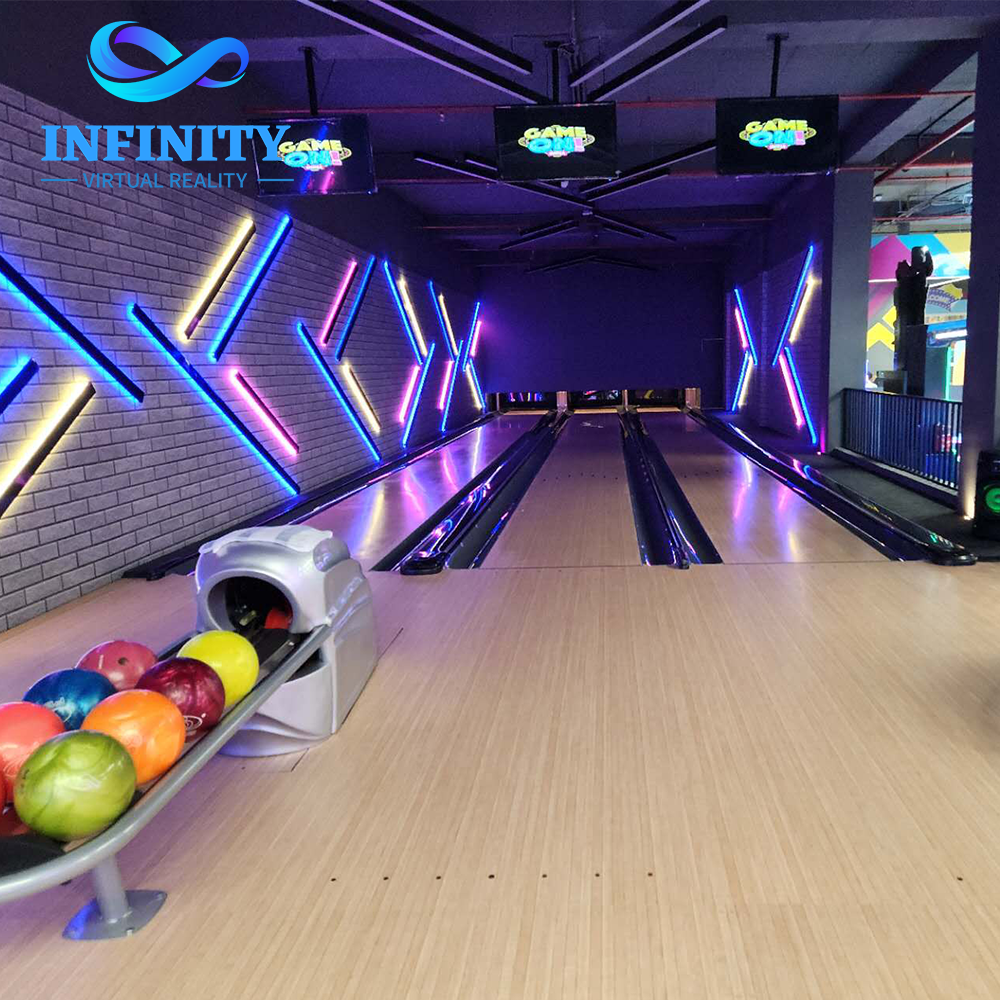
The Duckpin Bowling System was the key that made our venue possible. Unlike standard 10-pin bowling lanes that require 26 meters of length, duckpin lanes need only 9.7 to 13 meters — roughly half the space. The smaller pins and balls also mean lighter weight equipment, lower foundation requirements (20-23cm vs 30+cm for 10-pin), and reduced ceiling height needs. This dramatically simplified our build-out and reduced construction costs by approximately 40% compared to a standard bowling alley installation.
We installed two duckpin lanes side by side, occupying approximately 70 square meters including the approach area, lane bed, and pin machine clearance. Despite the compact dimensions, the playing experience is surprisingly close to full-size bowling. The duckpin balls are smaller (approximately 11cm diameter vs 22cm for 10-pin), which actually makes the game more accessible for casual players, families, and beginners. The pins are shorter and lighter, creating a fun, fast-paced game where spares are common and strikes are exciting.
Revenue-wise, each lane generates approximately $6,500 per month at our pricing of $35 per hour per lane. During peak evening hours and weekends, both lanes run continuously from 5 PM to midnight. We book lanes in 30-minute slots for smaller groups ($20 per half-hour) and hourly for larger parties. The automated scoring system and ball return mechanism require minimal staff oversight — one attendant can manage both lanes while also handling check-in and basic customer service.
The duckpin bowling system's installation requirements were a major factor in our decision. The 20-23cm foundation height meant we didn't need extensive excavation or structural modifications to our leased space. The system was delivered in modular sections and assembled on-site in just 5 days by Infinity NextPlay's installation team. The lanes use a synthetic surface that requires no oiling or special maintenance, and the pin-setting mechanism is designed for 24/7 commercial operation with minimal service requirements.
One unexpected benefit of duckpin bowling is its social nature. Because the lanes are shorter and the game is faster-paced, players spend less time waiting for their ball to return and more time interacting with each other. A typical game of duckpin bowling takes 30-40 minutes for a group of 4, compared to 50-60 minutes for a standard bowling game. This faster turnover means we can serve more customers per lane per evening, directly increasing revenue without adding space.
FEATURED PRODUCT
Duckpin Bowling System
Space-saving design with 9.7-13m lane length, 20-23cm foundation, and synthetic surface. Perfect for bars, hotels, and boutique venues.
- Half the space of standard bowling (9.7-13m)
- Low foundation height (20-23cm)
- Modular assembly in 5 days
- Automated scoring & ball return
- Synthetic surface — no oiling needed
2. LED Dance Floor — The Social Magnet
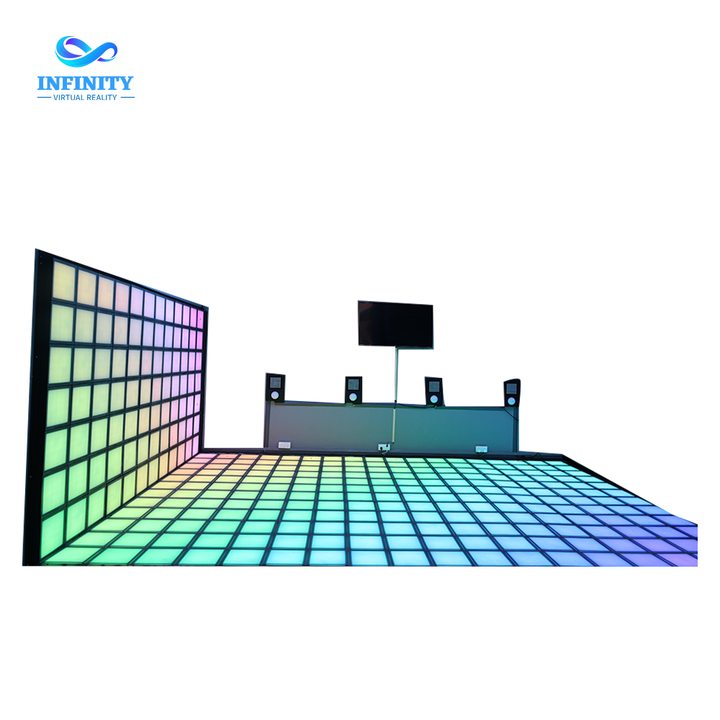
The Infinity Grid LED Dance Floor was our second major investment, and it has proven to be the perfect complement to the bowling lanes. Whereas bowling is a structured, lane-based activity, the LED dance floor is free-form, social, and visually spectacular. It occupies just 12 square meters at the center of our venue, yet it serves as the visual anchor that draws customers in from the street and creates the "Instagrammable" moment that drives social media exposure.
The dance floor features interactive light-up tiles that respond to pressure, creating a dynamic light show that changes with each step. It supports multiple game modes — follow-the-light pattern challenges, free dance mode with synchronized LED patterns, multiplayer competition games, and timed endurance challenges. This versatility means the same floor serves different purposes at different times: a kids' activity during afternoon family hours, a competitive game during evening social hours, and a dance floor ambiance element late at night.
Financially, the LED dance floor generates approximately $4,800 per month. We charge $10 per person for 15-minute sessions, and the average player stays for 2-3 sessions. During peak weekend nights, the floor is in near-continuous use from 7 PM to midnight. We also offer the floor for private events at a flat rate of $200 per hour, which corporate groups and birthday parties frequently book. The floor's durable LED tiles are rated for 50,000+ hours of use, and maintenance primarily involves occasional cleaning of the tile surface.
The LED dance floor's social media impact has been remarkable. Our customers have posted over 1,200 tagged photos and videos of the floor in our first year, generating an estimated $15,000 in organic marketing value. The floor's dynamic light patterns and interactive gameplay create visually striking content that performs exceptionally well on Instagram, TikTok, and Facebook. We estimate that 25% of our new customers discovered the venue through social media content featuring the dance floor.
FEATURED PRODUCT
Infinity Grid LED Dance Floor
Interactive light-up tiles with multiple game modes. The social magnet that drives $4,800 monthly and creates Instagram-worthy moments.
- Pressure-responsive LED tiles
- Multiple game modes (pattern, free dance, multiplayer)
- 12 sqm footprint — huge visual impact
- 50,000+ hour rated LED tiles
- Drives organic social media exposure
3. Complementary Games — Filling the Gaps
To round out the experience, we added two complementary game stations that fill the remaining 25 square meters of our venue. The first is the X7 Electronic Dart Machine, which features online global play, automatic scoring, and a premium cabinet design that fits our boutique aesthetic. The second is an X3 Professional Arcade Dart Machine with dual HD screens, ideal for the sports bar atmosphere we cultivate in our lounge area.
The dart machines serve a dual purpose. First, they generate direct revenue — approximately $3,200 per month combined. Second, and perhaps more importantly, they create a "spectator buffer" around the bowling lanes. Customers waiting for a bowling lane can play darts while they wait, generating additional revenue and reducing the perceived wait time. This complementary flow has increased our overall customer satisfaction scores by 15% compared to venues where waiting customers have nothing to do.
The X7's online global play feature has been particularly popular. Players can log in, create profiles, and compete against opponents in other cities and countries. This competitive dimension extends the dart-playing session length — the average dart player spends 45 minutes at the machine compared to 25 minutes for local-only games. The leaderboard feature, displayed on the machine's HD screen, creates the same competitive social dynamic we see on the shooting simulators, with regular players competing for weekly top scores.
Monthly Revenue Breakdown (180㎡ Venue)
$13,000
Duckpin Bowling ×2
43% of total
$4,800
LED Dance Floor
16% of total
$3,200
Dart Machines ×2
11% of total
$9,000
F&B + Events
30% of total
4. Space Design and Customer Flow
Designing for 180 square meters required careful attention to every square centimeter. We divided the space into three zones. Zone 1 is the bowling area (70㎡ for bowlers and spectators), positioned at the rear of the venue for privacy and noise containment. Zone 2 is the central social hub (60㎡) featuring the LED dance floor as the visual centerpiece, surrounded by lounge seating and cocktail tables. Zone 3 is the bar and dart area (50㎡) at the front, with a 10-meter bar counter, the two dart machines, and additional high-top seating near the entrance.
Customer flow begins at the bar area, where guests order drinks and see the dart machines. The open sightline draws them toward the central LED dance floor, which pulses with changing light patterns visible from the entrance. Beyond the dance floor, the bowling lanes are partially visible through a decorative screen that provides visual separation without completely blocking the view. This intentional sightline design creates a sense of discovery as customers move through the venue, encouraging exploration of all the activities.
The bar plays a central role in our financial model. We designed it as the hub of operations — the bartender also handles check-in for the dart machines and the dance floor, while a dedicated bowling attendant manages the two lanes. This lean staffing model means we operate with just 2-3 staff members on weeknights and 4 on weekends, keeping labor costs at 22% of revenue. The bar generates an average of $9,000 per month in beverage sales, driven by the extended dwell time that multi-attraction entertainment creates.
5. Investment and Payback
Our total investment of $220,000 was allocated as follows: duckpin bowling system (2 lanes at $55,000 each = $110,000 including installation), LED dance floor ($28,000), dart machines (X7 at $8,500 and X3 at $6,500 = $15,000), bar build-out and furnishings ($42,000), and permits, licenses, and initial marketing ($25,000).
Monthly operating costs total approximately $9,500: labor ($6,600), rent ($3,500), utilities ($800), equipment maintenance ($400), marketing ($800), insurance ($600), and miscellaneous ($800). With monthly revenue of $30,000, our net operating profit is approximately $20,500 per month — a 68% operating margin. At this rate, our initial investment of $220,000 is recovered in approximately 11 months.
We project that as our venue matures and our event booking channel grows, monthly revenue will reach $36,000-$40,000 by month 18, driven primarily by increased private event bookings and corporate group business. The 180-square-meter boutique model is scalable — we're already planning a second location in a neighboring city using the same equipment mix and operational playbook.
6. Key Learnings for Small-Footprint Venues
After our first year operating a 180-square-meter boutique entertainment venue, here are our most important takeaways. First, duckpin bowling is the ideal anchor for small spaces. Its compact dimensions, lower installation requirements, and faster game pace make it significantly more profitable per square meter than traditional bowling in a small venue context. We achieved $167 per square meter in monthly revenue, compared to an industry average of $80-$120 for standard bowling centers.
Second, invest in at least one visually spectacular attraction. The LED dance floor generates direct revenue, but its real value is in social media marketing and creating a memorable "wow" moment that drives word-of-mouth referrals. Third, design your space with intentional customer flow that guides visitors through different zones, creating natural transitions between activities and encouraging longer stays. Fourth, automate everything you can. Automated scoring on the bowling lanes, auto-play on the dart machines, and self-service features on the dance floor minimize labor requirements.
Fifth, the bar is not just a revenue center — it is the operational hub of a small venue. Position the bar to serve as check-in, waiting area, and social gathering point. Sixth, plan for private events from day one. Our space can accommodate 40-50 guests for private events, and these bookings generate 25% higher per-person revenue than walk-in traffic. We've found that corporate happy hours, birthday parties, and team-building events are our most profitable booking categories, and they tend to book during otherwise slow weekday evening hours.
Finally, don't underestimate the importance of sound management. In a compact venue, noise from bowling, the dance floor, and the bar can create an overwhelming atmosphere if not properly managed. We invested in acoustic panels, carpeting, and strategic placement of sound-absorbing materials, and the difference in customer comfort and dwell time was immediate and measurable. Customers in a well-managed acoustic environment stay 40% longer and spend 30% more on beverages.
7. Conclusion
Our 180-square-meter boutique entertainment venue demonstrates that small spaces can deliver outsized returns when equipped with the right combination of compact attractions. The duckpin bowling system provides the anchor experience that draws customers in, the LED dance floor creates the social energy and shareable moments that drive word-of-mouth, and the dart machines fill the gaps with additional revenue opportunities.
The key insight from our experience is that small-footprint venues have a structural advantage: they can achieve higher revenue per square meter than larger competitors because every square centimeter is intentionally designed to generate revenue. There is no wasted space, no underutilized corners, no expensive square footage that only operates at peak hours. In our venue, every zone generates revenue from opening to close, and the compact layout means a small team can manage the entire operation.
For entrepreneurs considering entering the entertainment venue business, we strongly recommend the boutique approach. Lower total investment, faster payback, higher revenue per square meter, and simpler operations make small-footprint venues an attractive alternative to large-scale entertainment centers. With Infinity NextPlay's modular, space-optimized equipment, a 180-square-meter space can become a thriving business that punches far above its weight class.
Ready to Build Your Own Boutique Entertainment Venue?
Get a free 3D layout for your space. No commitment required.