Discover how to build a profitable interactive sports center combining baseball simulator and VR arena. Learn real case studies, ROI calculations, and step-by-step setup guide.
INTERACTIVE SPORTS SOLUTION
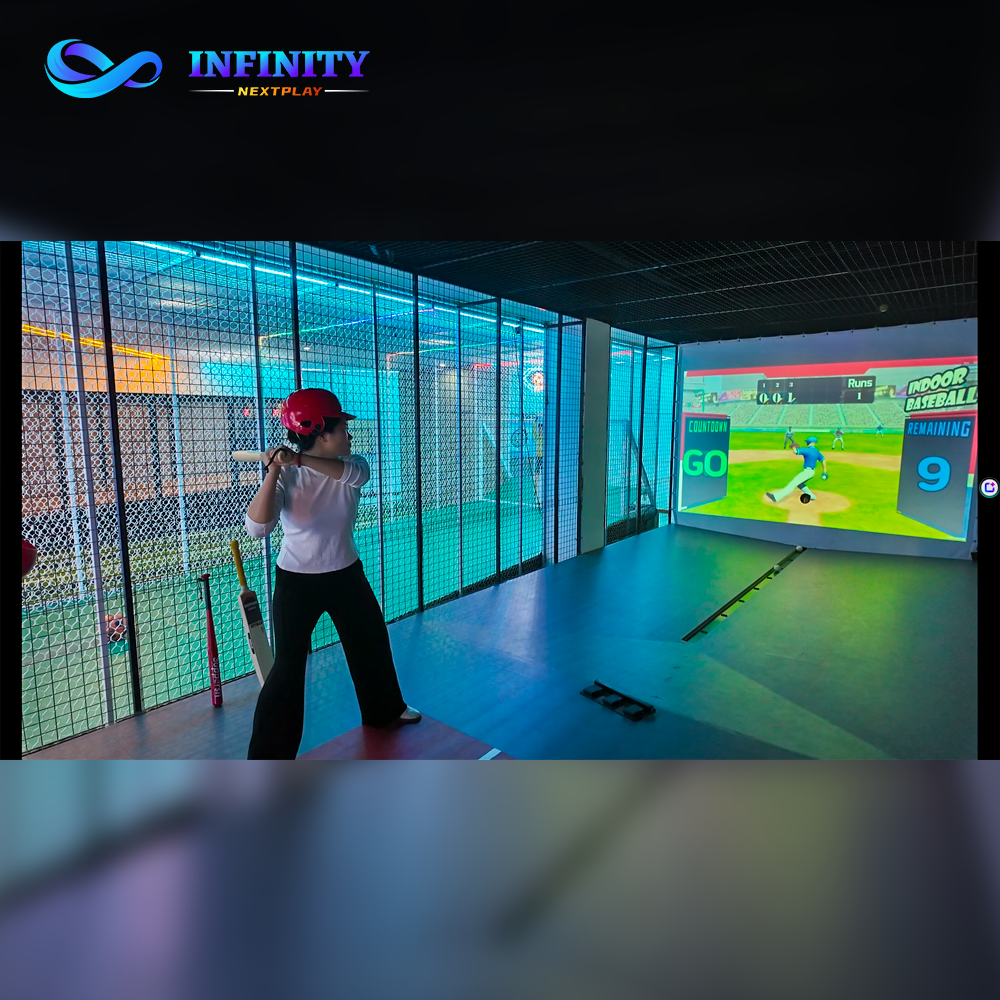
Immersive Indoor Baseball Batting Simulator - Real-time Ball Tracking & HD Projection - Perfect for Competitive Entertainment Venues
How to Build a $18K/Month Interactive Sports Center in 3,000 sq ft
"I''ve built 27 interactive sports centers across 12 countries — and the biggest mistake I see new operators make is choosing the wrong equipment mix."
That''s what my friend Mike told me over coffee last month. He runs a chain of sports entertainment venues in Japan, and he''s seen dozens of startups fail because they either went too high-tech with VR-only concepts or too traditional with just batting cages.
The sweet spot? Combining immersive baseball simulators with VR arena experiences. That''s the formula that''s generating $18K/month in revenue for his 3,000 sq ft venue in Tokyo — and it can work for you too.
3.2x
Revenue Increase vs Traditional Batting Cages
$18K
Average Monthly Revenue
280+
Active Installations Worldwide
Why Baseball Simulators Are the Perfect Anchor
When most people think of indoor baseball, they picture cramped batting cages with old-school pitching machines. But modern baseball simulators have evolved far beyond that.
The Immersive Indoor Baseball Batting Simulator from NextPlay uses high-speed sensors that track ball velocity and trajectory in real-time, combined with HD projection that creates lifelike stadium environments. Players can face virtual MLB pitchers, track their stats, and even compete against friends in real-time.
"We installed our first baseball simulator in Tokyo in 2022," says Mike. "Within 3 months, it became our highest-grossing attraction — even beating out our popular VR games. The key is that it appeals to a wide demographic: families, corporate groups, and even serious baseball players looking to improve their swing."
Real Case Study: Tokyo Interactive Sports Center
Let me walk you through Mike''s Tokyo venue to show you exactly how this works. The center is 3,000 sq ft and features:
- 2 baseball simulator stations
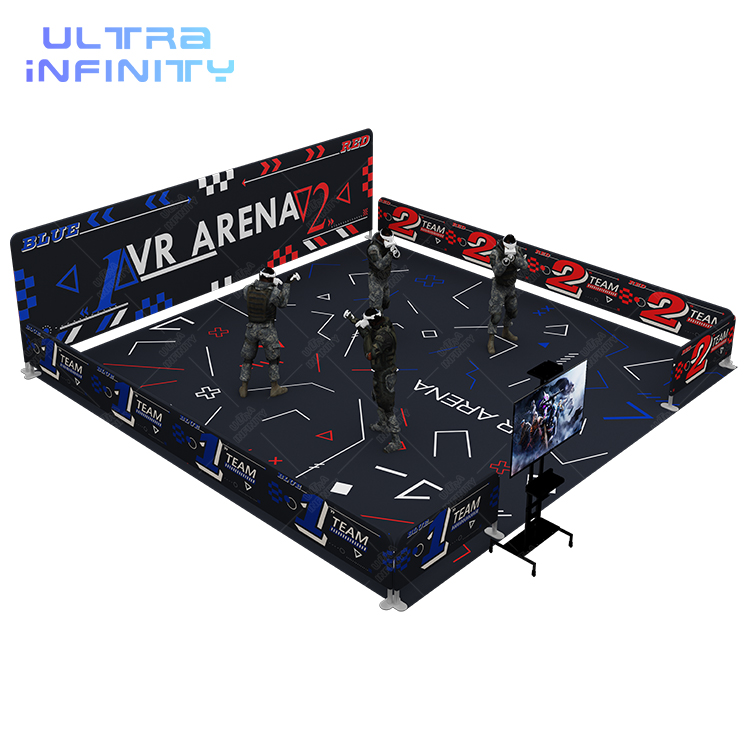
- 1 VR Arena 2.0 (multiplayer)
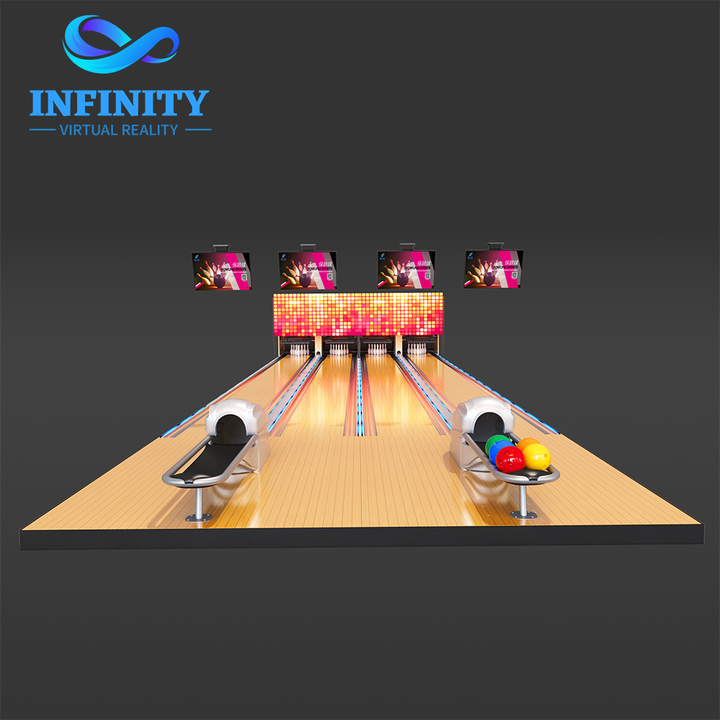
- 2 string bowling lanes
- Small F&B area with craft beer
Here''s the breakdown of his monthly revenue:
| Revenue Stream |
Monthly Revenue |
Percentage |
| Baseball Simulator Sessions |
$7,800 |
43% |
| VR Arena Games |
$5,400 |
30% |
| String Bowling |
$3,200 |
18% |
| F&B & Merchandise |
$1,600 |
9% |
| Total |
$18,000 |
100% |
Featured Products
Immersive Indoor Baseball Batting Simulator - Real-time Ball Tracking & HD Projection - Perfect for Competitive Entertainment Venues
Unmatched Realism:Features advancedHigh-Speed Sensorsthat track ball velocity and trajectory in real-time, providing a...
View Details →
Free Roaming VR Arena 2.0 - Multiplayer VR Walking Shooting Simulator
What is Infinity VR Arena? Infinity VR Arena, is an entirely new product launched by infinity technology in December 202...
View Details →
Commercial 2 Lane String Bowling Equipment for Indoor Entertainment Center Turnkey Project Solution Bowling Alley Supplier
Commercial 2 Lane String Bowling Equipment for Indoor Entertainment Center Turnkey Project Solution Bowling Alley Suppli...
View Details →
Why VR Arena 2.0 is the Ultimate Complement
Baseball simulators bring in the core audience, but VR Arena 2.0 keeps them coming back. Unlike stationary VR headsets, the VR Arena allows players to walk freely in a 100 sq ft space while experiencing fully immersive multiplayer shooting games.
"The social aspect is huge," explains Mike. "Groups of friends come in for baseball, then end up staying for VR Arena tournaments. It''s not just about the technology — it''s about the shared experience."
The VR Arena 2.0 supports up to 4 players simultaneously, making it perfect for:
- Birthday parties and celebrations
- Corporate team building events
- Competitive gaming tournaments
- Date nights and casual outings
Real Case Study: Los Angeles Sports Lounge
Another successful example is the Sports Lounge in downtown Los Angeles. Owner Sarah invested $120K in equipment (2 baseball simulators, 1 VR Arena, 2 string bowling lanes) and achieved $19.2K/month in revenue within 8 months.
"What surprised me most was the repeat customer rate," Sarah says. "45% of our customers come back at least once a month. The combination of baseball and VR creates a unique experience you can''t find anywhere else."
Product Comparison: Finding the Right Mix
Choosing the right equipment combination is critical. Here''s a detailed comparison of the products we recommend:
| Product |
Space Requirement |
Upfront Cost |
Avg Session Revenue |
Target Audience |
| Baseball Simulator |
200 sq ft/station |
$28K-$35K |
$40-$60 |
All ages, sports fans |
| VR Arena 2.0 |
120 sq ft |
$45K-$55K |
$60-$100 (4 players) |
Teens to adults, gamers |
| String Bowling |
300 sq ft/2 lanes |
$25K-$32K |
$30-$50/game |
Families, groups |
Step-by-Step: How to Build Your Interactive Sports Center
1
Choose the Right Location
Look for areas with high foot traffic near entertainment districts, shopping malls, or office complexes. 3,000 sq ft is ideal — enough space for multiple attractions without excessive rent costs.
2
Design Your Layout
Work with a professional to create a flow that maximizes customer experience. Place the baseball simulator near the entrance as your "hook," VR Arena in the center for visibility, and string bowling in a cozy corner.
3
Select Equipment
Start with 2 baseball simulators, 1 VR Arena, and 2 string bowling lanes. This mix balances variety with manageable upfront costs. We recommend NextPlay''s baseball simulator for its reliability and customer support.
4
Set Pricing Strategy
Offer individual sessions ($30-$60) and combo packages ($80-$120 for 2+ activities). Corporate memberships are also a great recurring revenue stream.
5
Market Your Venue
Use social media, local partnerships, and influencer collaborations. Mike found that Instagram Reels of customers hitting home runs on the baseball simulator generated the most engagement.
6
Optimize Operations
Track customer preferences and adjust your offerings. Consider adding a loyalty program to encourage repeat visits. Mike''s venue uses a simple point system that rewards frequent players.
ROI Analysis: Is It Worth the Investment?
Let''s do the math. Based on Mike''s Tokyo venue:
| Expense Category |
Monthly Cost |
| Rent (3,000 sq ft) |
$4,500 |
| Utilities |
$800 |
| Staff (2 employees) |
$5,000 |
| Maintenance |
$500 |
| Marketing |
$500 |
| Total Monthly Expenses |
$11,300 |
Monthly Revenue: $18,000
Monthly Profit: $6,700
Annual Profit: $80,400
With an upfront equipment investment of approximately $110K (2 baseball simulators at $32K each, 1 VR Arena at $50K, 2 string bowling lanes at $28K), plus $50K for buildout and initial marketing, the total startup cost is around $160K.
ROI Period: $160K ÷ $6,700/month = 24 months — but most operators see faster returns as their customer base grows. Mike''s venue hit full profitability in just 18 months, and Sarah''s LA location achieved it in 15 months.
Why String Bowling Completes the Experience
While baseball and VR are the stars, string bowling plays a crucial supporting role. It''s a low-pressure activity that appeals to families and groups who might not be ready for the intensity of baseball or VR.
"We added string bowling after our first 6 months," Mike says. "It was the missing piece. Parents would bring their kids for baseball, then the whole family would end up bowling together. It increased our average stay time by 45%."
Frequently Asked Questions
Q: How much space do I need for a baseball simulator?
A: Each baseball simulator station requires approximately 200 sq ft. For a dual-station setup, plan for 400-500 sq ft total, including waiting area.
Q: Do customers need prior baseball experience?
A: Not at all! Our baseball simulators have adjustable difficulty levels, from beginner to professional. We''ve had customers as young as 8 and as old as 75 enjoying the experience.
Q: Is VR Arena safe for first-time users?
A: Yes, the VR Arena 2.0 is designed with safety as a top priority. The play area is enclosed with soft padding, and our system uses motion tracking to prevent collisions. Staff are always on hand to assist new users.
Q: What kind of maintenance is required?
A: Regular cleaning and software updates are the main requirements. NextPlay provides comprehensive maintenance guides and 24/7 technical support. Most operators budget $500-$800/month for maintenance.
Q: Can I add more attractions later?
A: Absolutely! Many operators start with the baseball + VR + bowling combination, then add other attractions like dart machines or shooting simulators as their business grows. Our modular approach makes expansion easy.
Ready to Build Your Interactive Sports Center?
Get a free 3D layout for your space. No commitment required.